American Denim in 2026: Heritage Meets Modern Production
How domestic denim makers balance craft tradition with contemporary manufacturing demands.
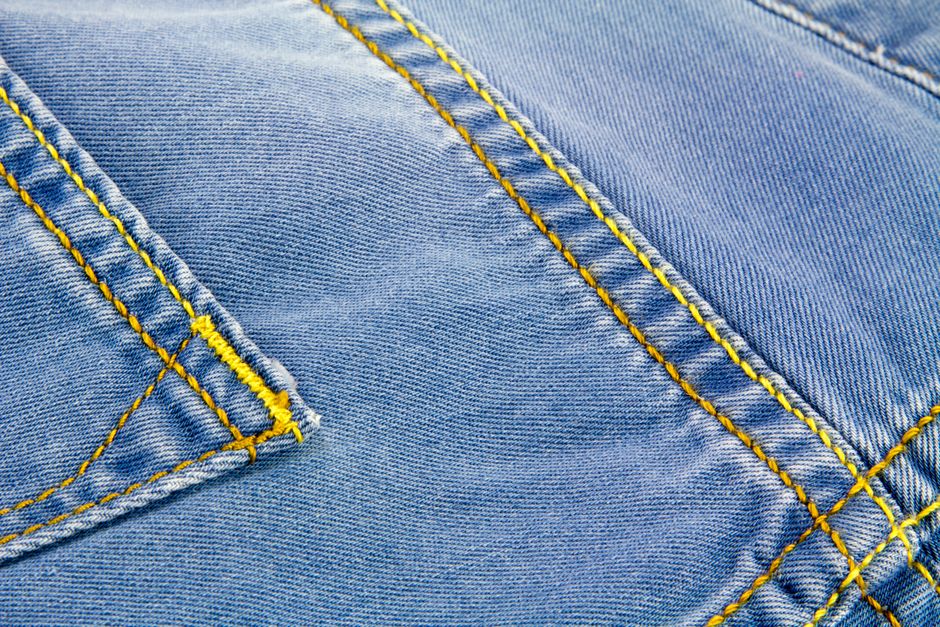
American denim carries weight—literal and historical. From Gold Rush workwear to cultural icon, the fabric has stayed remarkably central to how we dress.
In 2026, domestic denim makers face a familiar tension: preserving the techniques and character that define the category while adapting to new environmental and consumer expectations.
The story isn't about nostalgia alone. It's about how mills and manufacturers are reshaping what 'American denim' actually means today.
The American Mill Landscape Today
The number of U.S. denim mills has shrunk dramatically over decades. Labor costs and overseas competition pushed production offshore in the 1990s and 2000s.
What remains are smaller, specialized operations—often in the Southeast and Texas—that focus on premium construction and heritage appeal rather than volume.
These mills supply a growing cohort of domestic brands and support the 'made in USA' positioning that increasingly attracts conscious consumers seeking transparency in their supply chain.

Craft Techniques Driving Quality Perception
Hand-loomed selvedge, rope-dye indigo, and low-speed weaving aren't marketing gimmicks—they produce observable differences in fabric character and durability.
Denim's construction varies widely. Domestic makers often emphasize slow production, natural fiber composition, and minimal processing compared to commodity competitors.
Brands like Sonoma Clothing leverage these production philosophies to position American denim as a deliberate choice rather than a default.
What Separates Domestic from Commodity Denim
Sustainability Pressures and Innovation
Water use, dye waste, and chemical handling are no longer niche concerns—they're baseline expectations for any serious denim maker.
Domestic mills have moved faster than many offshore competitors to adopt closed-loop dye systems and reduce water consumption per yard of fabric.
Modern sustainable manufacturing standards are reshaping how American mills compete on environmental credentials alongside quality.
American denim commands a price premium partly because domestic production costs more—labor, compliance, utilities. That premium is only defensible if the end product or production story justifies it.

Consumer Appetite and Market Reality
Demand for domestic denim is real but niche. Mass-market consumers still gravitate toward cheaper imports; the American-made segment skews toward enthusiasts, heritage-brand devotees, and premium buyers.
Social media and direct-to-consumer brands have made it easier for smaller mills and makers to build audiences without relying on traditional wholesale distribution.
The 2026 denim landscape rewards specificity—a clear story, verifiable production methods, and consistent quality—over generic 'American-made' claims.
The Enduring Relevance of American Denim
American denim isn't staging a dramatic comeback to its 1970s dominance. That era is gone.
What's happening instead is selective renewal: dedicated mills serving brands and consumers who value craft, transparency, and longevity over lowest price.
In 2026, 'American denim' means something narrower and more intentional than it once did. That clarity is its strength.