How Affordable Footwear Became Fashion's Honest Conversation
In 2026, budget-friendly shoes no longer mean compromise—they signal a shift in how we think about quality, durability, and real value.
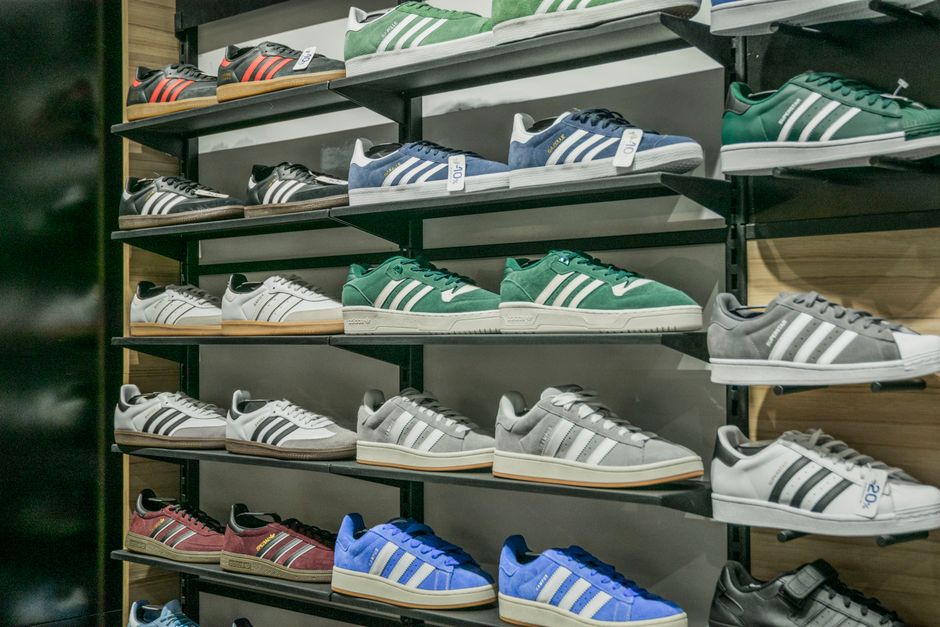
A decade ago, "affordable shoes" and "quality shoes" rarely appeared in the same sentence. Budget footwear meant sacrifice: uncomfortable fits, materials that peeled apart in months, or designs that looked cheap because they were.
That calculus has quietly shifted. In 2026, affordable doesn't equal disposable—it's become a category where durability, design, and price converge in ways that challenge the old luxury-or-nothing paradigm.
The conversation around budget footwear has matured, driven by both consumer expectations and retail innovation.
The Quality Question
For years, the apparel industry relied on a simple formula: cheap materials, mass production, disposable wear. Affordable footwear bore that logic hardest.
But supply-chain transparency and consumer scrutiny have forced change. Shoppers now demand accountability—they want to know where shoes are made, what materials are used, and whether they'll last.
Retailers have responded by publishing material sourcing data, extending return windows, and investing in production methods that don't automatically cheapen final products. The result is footwear that can be both budget-friendly and genuinely wearable.

What Actually Moves the Needle on Affordability
1. Direct-to-Consumer Models — Cutting out wholesale markups allows brands to offer lower retail prices without cutting corners on materials or labor.
- Fewer retail intermediaries
- Lower distribution overhead
- Faster feedback loops from customer to manufacturer
2. Simplified Design Ranges — Focusing on essential silhouettes and neutral colorways reduces inventory bloat and production complexity.
- Reduced SKU count
- Economies of scale on core models
- Lower waste from unsold seasonal styles
3. Regional Production Clustering — Locating manufacturing near demand centers shortens supply chains, reduces logistics costs, and cuts lead times.
- Nearshoring over transcontinental shipping
- Faster quality control cycles
- Lower carbon footprint per unit
4. Smart Material Sourcing — Sourcing durable, affordable synthetics (rather than always chasing leather) without sacrificing aesthetics or durability.
- Technical fabrics that last
- Lower environmental impact than cheap leather
- Easier care and cleaning
Where Retail Is Changing Fastest
The affordable footwear space has fragmented into different retail models, each with its own logic.
Traditional discount chains remain volume players, but they've invested in buyer relationships with manufacturers to secure genuine overstock and closeout inventory rather than purpose-made-cheap goods.
Online-only retailers have carved out space by eliminating physical store overhead—a model that Off Broadway Shoes and similar platforms lean into, offering frequent inventory rotations and competitive pricing on recognized brands.
Meanwhile, rental and resale platforms have begun cannibalizing fast-fashion footwear sales, pushing traditional retailers to improve durability and repairability just to compete on lifetime value.
Affordable doesn't matter if shoes don't fit. Return rates for budget footwear remain stubbornly high—often 20-30% higher than premium brands. Retailers are responding with better sizing guides, virtual try-on tools, and extended return windows to build confidence in online purchases.
Why Affordable Footwear Matters Now

The Durability Conversation
One honest truth: some affordable shoes still fail early. But increasingly, failures are predictable and transparent rather than hidden.
Retailers and brands now publish wear reports—expected lifespan, care instructions, repair recommendations. Britannica's shoe technology section documents how construction methods directly determine longevity, a principle that's trickling into marketing and customer education.
The gap between affordable and premium has narrowed most on basics: canvas sneakers, rubber-sole casuals, and work-appropriate slip-ons. It's widest on specialized categories—hiking boots, running shoes—where material science and testing still justify premium pricing.
The New Normal
Affordable footwear in 2026 isn't an apology—it's a category that's learned to compete on honesty rather than illusion.
Price matters less than transparency: where the shoe comes from, what it's made of, how long it should last. That shift benefits shoppers and forces the entire apparel industry to justify its markups.
The conversation has moved from "How cheap can we make it?" to "What's the real value here?" That's worth noting—not as marketing spin, but as genuine industrial progress.