How Quality Footwear Standards Have Shifted in 2026
What durability, materials, and craftsmanship mean to makers and buyers right now.

Footwear quality has become a more contested idea lately. What once meant a single pair lasting five years now overlaps with sustainability, transparency, and fit technology.
The conversation around durable shoes has broadened beyond construction alone—it now touches ethics, supply-chain visibility, and how brands communicate their processes.
Understanding what constitutes quality footwear today requires looking at how the industry itself has redefined the term.
Materials matter more than ever
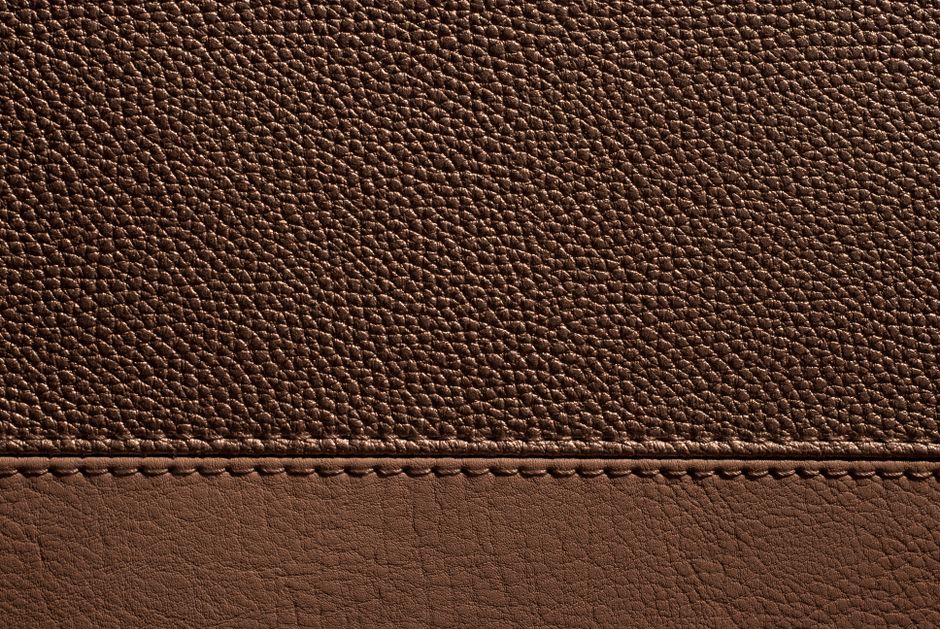
Leather remains the most contentious material in footwear. Real leather durability depends on tannage, weight, and grain structure—not just the animal source.
Synthetic alternatives have improved enough that performance differences are narrowing. Some synthetic uppers now outlast traditional leather under identical wear conditions.
Britannica's overview of shoe materials notes that construction quality often matters more than material choice alone. A well-made synthetic can outperform poorly treated leather.
Current quality markers
What brands are saying versus what's verifiable
Marketing claims around durability are often unsubstantiated. Terms like 'premium' or 'heritage-crafted' appear everywhere but mean little without specifics.
Transparent brands now publish wear-test data, repair availability, and material sourcing. This shift has forced competitors to match the standard.
BC Shoes represents a strand of makers prioritizing documented durability metrics and publicly available repair timelines.
The strongest signal remains independent reviews and long-term user reports—what people say after two years of wear beats any marketing tagline.
Five shifts shaping quality expectations now
1. Repairability over replacability — Buyers now ask: can this sole be replaced? Are replacement parts available?
A shoe's lifespan extends dramatically if soles can be re-glued or stitched by cobblers. Brands that support this stand out.
2. Transparent material sourcing — Where leather comes from and how it's tanned affects both durability and ethics.
Consumers increasingly verify tannery names and methods. Vague sourcing language now reads as a red flag.
3. Fit technology without excess — Arch mapping and width options reduce returns and extend shoe life.
A properly fitted shoe lasts longer because pressure distributes evenly. Smart fit systems help but don't replace physical fit.
4. Climate-appropriate construction — Ventilation, waterproofing, and flexibility vary by region and season.
Durability in humid climates differs from durability in dry ones. Blanket quality claims ignore these variables.
5. Honest longevity windows — Brands stating expected lifespan under typical wear build trust.
Saying 'this shoe lasts 18 months with daily wear' is stronger than implying forever.

Quality footwear is no longer about a single metric—it's about transparency, repairability, and honest timelines.
Industry consensus, 2026
Price and quality remain poorly correlated
Expensive shoes often outlast cheaper ones, but not always. Luxury branding inflates price faster than construction quality justifies.
Mid-range footwear with transparent construction often performs as well as marked-up designer equivalents. The gap is marketing, not durability.
The real shift is that buyers now demand proof. Receipts matter more than promises.
What quality actually means now
Quality footwear in 2026 isn't defined by a single material or brand promise. It's defined by verifiable construction, documented lifespan, and honest repair options.
The winners in footwear are makers willing to quantify durability and back it with accessible data. The conversation has moved from vague heritage claims to specific, testable assertions.
For buyers, that means asking harder questions: Where was this made? How is the sole attached? Can I repair it? The answers matter more than the price tag.