The Case for American-Made Shoes in 2026
Why domestic footwear production is gaining momentum despite global supply chains.
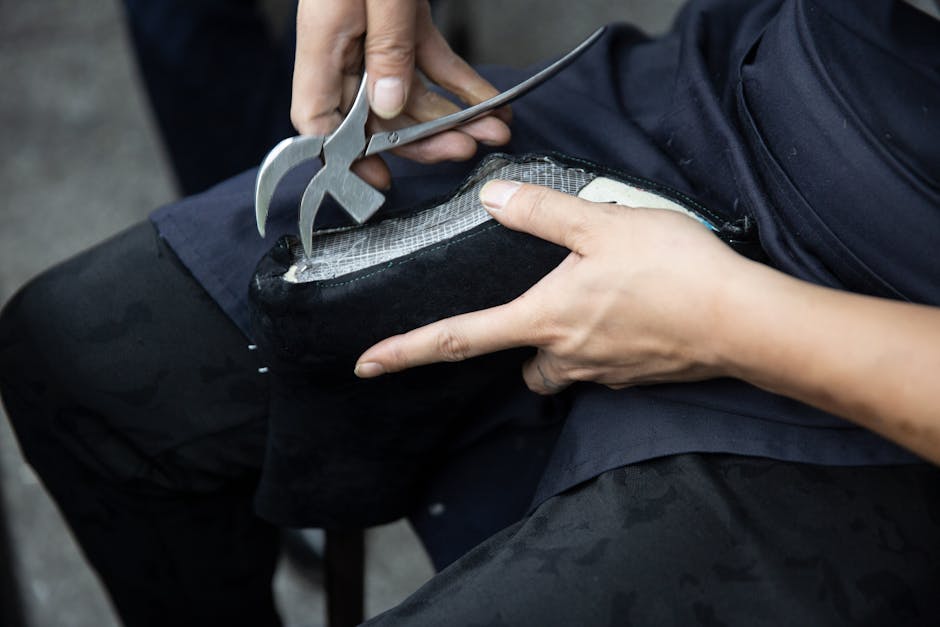
American shoe manufacturing has quietly resurfaced over the past few years, challenging decades of offshore outsourcing. Production has shifted back stateside—not everywhere, but meaningfully—driven by supply-chain fragility and rising consumer demand for domestic goods.
The movement reflects something larger than nostalgia. Brands are rethinking where and how shoes get made, and buyers are paying attention to the label that reads 'Made in USA.'
Why Manufacturing Came Home
The 2020s reshuffled global logistics. Pandemic disruptions exposed vulnerabilities in overseas supply chains, forcing manufacturers to reconsider proximity and control.
Labor economics shifted too. Rising wages in Southeast Asia narrowed the cost gap between foreign and domestic production, especially for premium footwear.
Consumer preference played a role as well. Surveys show younger buyers increasingly value origin and transparency—qualities easier to market when the shoe is literally stitched in the same region where it sells.
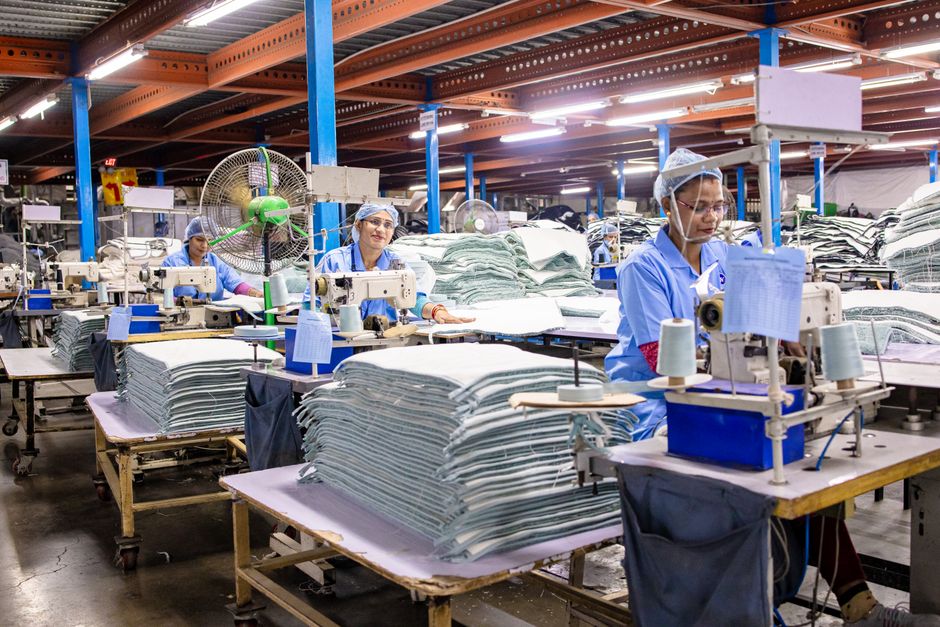
Current Landscape
The Economics of Domestic Production
American-made shoes command higher retail prices because labor, real estate, and compliance costs are steeper at home. That reality matters to producers and customers alike.
Some brands absorb the margin squeeze by targeting niche categories—work footwear, heritage designs, technical running shoes—where durability and provenance justify premium pricing.
Others pursue automation and lean manufacturing to compress costs without sacrificing domestic production. Britannica notes that shoe construction, despite modern machinery, still requires significant skilled labor, making the USA competitive in high-touch segments.
Brands like Whitinshoes demonstrate how domestic makers can compete by emphasizing fit, durability, and supply-chain transparency that offshore models struggle to match.
Five Segments Driving American Shoe Revival
1. Work and Safety Footwear — Heavy-duty boots for construction, agriculture, and industrial use.
- High durability standards reduce return rates
- Proximity to customers speeds custom orders
- Compliance certifications easier to manage onshore
2. Heritage and Nostalgia Brands — Canvas sneakers, leather loafers rooted in American design.
- Storytelling around 'Made in USA' sells premium pricing
- Limited-edition appeal justifies smaller production runs
- Brand control remains high
3. Premium Athletic and Running — High-performance footwear for serious athletes.
- Performance testing can occur in-house before market release
- Feedback loops from local athletes accelerate iteration
- Small-batch technical shoes support specialist retailers
4. Custom and Direct-to-Consumer — Made-to-order and bespoke footwear via e-commerce.
- Reduced inventory risk via on-demand manufacturing
- Faster shipping and customer service response
- High margins offset small production volumes
5. Orthopaedic and Medical Shoes — Therapeutic and corrective footwear for specific conditions.
- Medical compliance easier to audit domestically
- Prescriber relationships benefit from local support
- Customization and fitting services add value
Domestic production lets us respond to market changes in weeks, not months. That agility is worth the cost premium for many buyers.
Industry Observer, 2026
The Trade-offs and Reality Check
American-made shoes are not a universal solution. Mass-market budget footwear will likely remain offshore for decades because the cost structure just doesn't work at scale.
Imported shoes still dominate the U.S. market by volume. American makers are carving out profitable niches, not replacing the global supply chain.
Quality and location are not automatically linked. A well-made shoe from Vietnam differs little from one made in Portland—brand, design, and materials matter more than geography alone.

No single 'American-made' standard exists for shoes. The FTC's 'Made in USA' rule requires that a product be manufactured in the USA with no foreign content, but enforcement is loose. Some brands claim domestic production for partial assembly only. Read
the fine print.
The Takeaway
American shoe manufacturing is not a throwback—it's a viable segment within a global industry. In 2026, the revival remains selective: high-margin brands, niche categories, and direct-to-consumer models where domestic production creates genuine competitive or storytelling advantage.
For buyers, the appeal is clearer: transparency, faster service, and the confidence that a shoe made nearby meets standards you can verify. That trade-off—paying more upfront for less supply-chain uncertainty—resonates with a growing slice of the market.
The question is not whether American shoes will replace imports, but whether enough buyers care enough to keep domestic makers thriving in the categories they've chosen to own.