The Craft Behind Handcrafted Dress Shoes in 2026
How artisanal techniques and modern makers are redefining what it means to wear a well-made shoe.
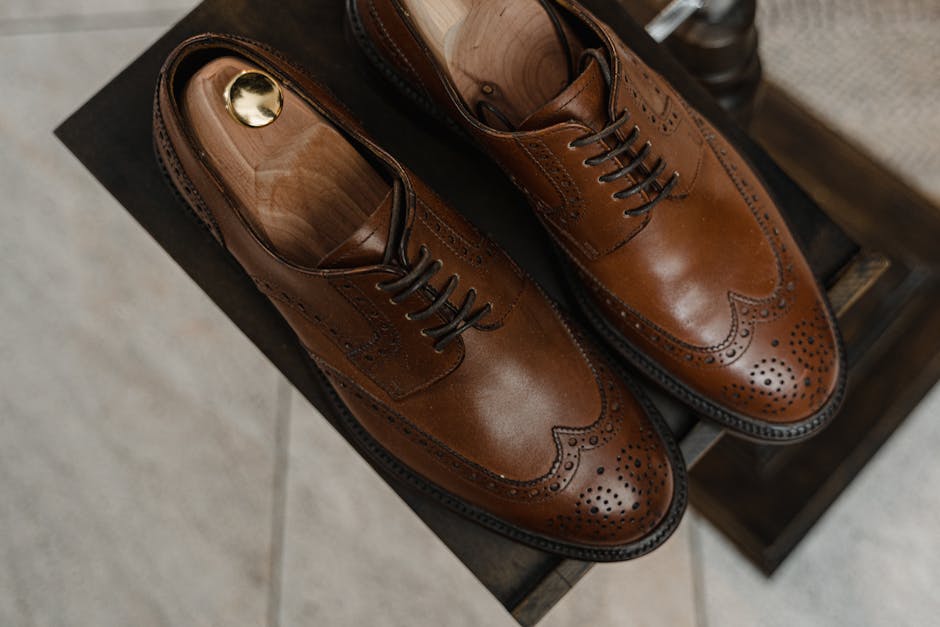
Handcrafted dress shoes occupy a peculiar space in contemporary menswear: nostalgic yet thoroughly modern, expensive yet defensible.
The shoes sitting in most closets today were sewn by machines in factories designed for speed. But a quieter movement has been brewing for years—one that prizes precision, material integrity, and the human hand over industrial shortcuts.
Why artisans still matter
Machine production excels at consistency and volume. Handcrafted methods excel at accommodation—a shoemaker can adjust proportions, account for foot asymmetry, and correct errors mid-build that a factory line cannot.
Shoe and leather workers trained in traditional techniques remain in high demand despite rising labor costs.
This isn't nostalgia. It's pragmatism. A hand-stitched welt—the strip of leather or rubber that connects upper to sole—distributes pressure differently than a machine version. The difference becomes apparent after 100 wearings.

Techniques that distinguish handcrafted shoes
1. Goodyear welt construction — Allows sole replacement without compromising the upper
A narrow strip of leather is stitched to the insole, then the sole attaches to that strip rather than gluing directly to the upper. Resoleable shoes cost more upfront but outlast glued alternatives by years.
2. Hand-stitched details — Aesthetic and functional reinforcement
Visible stitching on toe caps and side seams isn't purely decorative—it's a signature of patient work. Machine stitching saves hours; hand stitching demonstrates commitment.
3. Lasted and block construction — Shape retention and personalized fit
Premium makers use wooden lasts (forms) unique to their own designs. A shoe stretched over a proprietary last won't look or feel identical to a competitor's version.
4. Leather selection and tannage — Long-term durability and patina development
Handcrafted makers often work directly with small tanneries, specifying tannin-forward processes that age beautifully. Mass-produced shoes rarely merit this investment.
The price paradox
A handcrafted dress shoe costs two to four times what a factory equivalent costs. This gap reflects labor, materials, and overhead—not artificial scarcity.
Bostanianshoes and similar makers operate at volumes that don't approach factory scale, which means their per-unit costs stay high.
The real question isn't whether to buy handcrafted shoes, but whether you'll wear them enough to justify the investment. A $600 pair worn 100 times costs $6 per wear. A $150 pair worn 20 times costs $7.50.

What separates handcrafted from mass-made
The durability equation
A handcrafted dress shoe isn't simply a nicer version of a factory shoe—it's a different product category. The upper might last a decade with care. The sole lasts 5–7 years, then gets replaced for $150–250.
Factory shoes rarely see their sole replaced. The adhesive fails first, or the uppers begin to separate, or they simply wear unevenly because the construction couldn't accommodate the individual wearer's gait.
Traditional shoemaking methods slow production but eliminate shortcuts that cause premature failure.
A well-made shoe is a conversation between the maker's skill and the wearer's foot. That dialogue can't be rushed.
Observation from independent shoemakers, 2026
The long view
Handcrafted dress shoes aren't for everyone. If you buy six pairs of shoes per year and wear each twice, save your money.
But if you own four pairs and rotate them carefully, a handcrafted option becomes viable—even economical over time. The shoes reward consistency and attention.
In 2026, the appeal isn't rebellion against factory production. It's the simple fact that some things still require hands.