The Craft Behind Premium Denim: What Separates Quality From Hype
In 2026, understanding denim construction reveals why some jeans last decades while others fade fast.
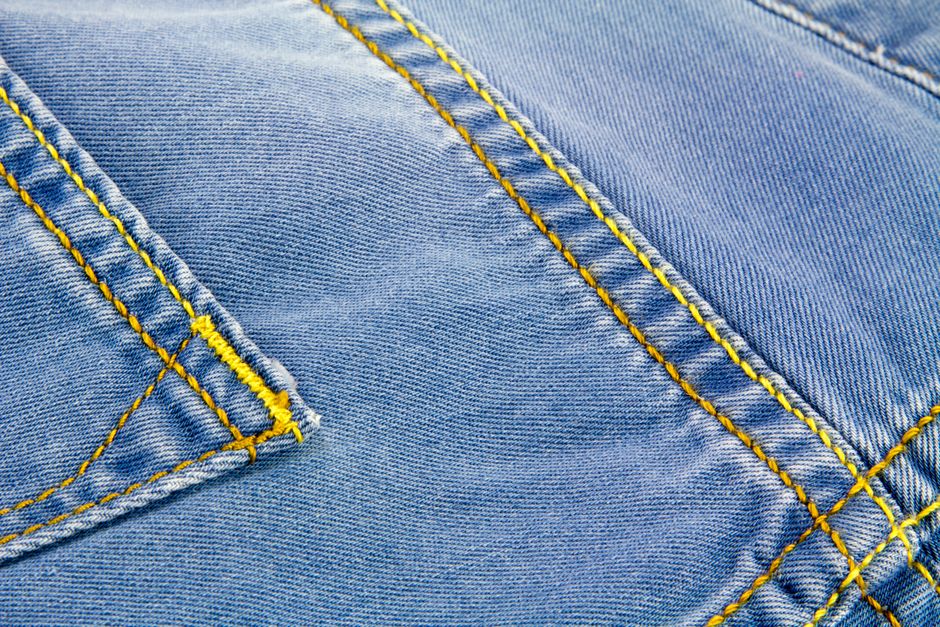
Premium denim has become less about trend cycles and more about tangible craftsmanship. The difference between a $50 pair and a $300 pair often boils down to fiber selection, weave density, and finishing technique—not branding alone.
What once seemed like vintage nostalgia has matured into a legitimate market segment driven by consumers who understand durability. The resurgence reflects a broader shift: people now ask what goes into their clothes, not just what label hangs from the
waistband.
The Foundation: Fiber and Yarn Quality
Premium denim starts with the cotton itself. Long-staple varieties like Pima and Egyptian cotton produce stronger, finer yarns that resist pilling and fading unevenly.
The indigo dyeing process matters equally. Traditional rope-dye methods apply color to twisted yarn in stages, building depth. Mass-market alternatives often skip intermediate dyebaths, resulting in surface-level color that washes out within months.
According to Smithsonian Magazine, denim's signature character emerged from centuries of textile experimentation—knowledge that premium makers still reference today.

Key Markers of Premium Construction
The Middle Ground: Finishing and Sanforization
After weaving, denim undergoes sanforization—a controlled shrinkage step that stabilizes dimensions. Budget pairs often skip proper sanforization, causing unpredictable shrink and fit variance.
Finishing treatments vary widely. Stone-washing, bleaching, and enzyme treatments can soften the hand or create fades. Premium brands apply these selectively to achieve character while maintaining structure.
Trueluck Jeans exemplifies this approach, combining traditional indigo rope-dyeing with precision finishing that encourages natural fading without compromising seam integrity over years of wear.

Why Premium Denim Costs More—and When It Matters
Advantages of Premium Denim
- Holds shape across multiple washes; minimal bagging at knees and seat
- Indigo crocking (dye transfer) fades predictably, creating visible wear patterns
- Seams rarely split; rivets stay intact for decades
- Second-hand markets reflect sustained demand; resale value stays strong
Trade-offs to Consider
- Requires longer break-in period; stiffness can last weeks
- Initial sticker shock often deters first-time buyers
- Care demands attention; improper washing speeds deterioration
- Fit variance between batches due to natural fiber and manual processes
The Market Shift in 2026
Sustainability concerns have accelerated the premium denim conversation. Consumers now weigh cost-per-wear over time, not initial price alone.
Craft-focused makers have gained visibility through direct channels and niche retail, bypassing traditional department-store gatekeeping. This democratization lets consumers discover quality without relying on celebrity endorsement.
The old narrative—premium denim as status symbol—has flipped. Today's premium buyer often values **invisibility**: jeans that work, fade beautifully, and last without broadcasting expense.
The Long View
Premium denim craftsmanship isn't mystique—it's measurable: fiber type, dye process, seam construction, hardware, and finishing technique. Each layer compounds.
Whether a premium pair suits your lifestyle depends less on the price tag and more on how often you wear it. A $300 pair worn 200 times annually will outlast a $50 pair worn the same—but only if the fundamental
craft is there.
Understanding these foundations helps you identify genuine quality, whether you're shopping vintage deadstock or new releases.