The Resurgence of Handcrafted Footwear in 2026
Why artisanal shoemaking is reshaping the industry beyond mass production.

Handcrafted footwear has quietly become a counterweight to fast-fashion dominance.
Independent cobblers and small studios are reclaiming space in a market long dominated by industrial supply chains.
This shift reflects something deeper: consumers increasingly value durability, skill, and the story behind what they wear.
What Changed
A decade ago, handmade shoes were niche luxury items. Today, they're a recognizable category.
The pivot started with sustainability concerns—fast footwear creates waste. Handcrafted pieces last longer and age beautifully.
Social media amplified artisan work. Videos of cobblers at their benches generate millions of views. What was invisible became visible.

The Craft Behind the Product
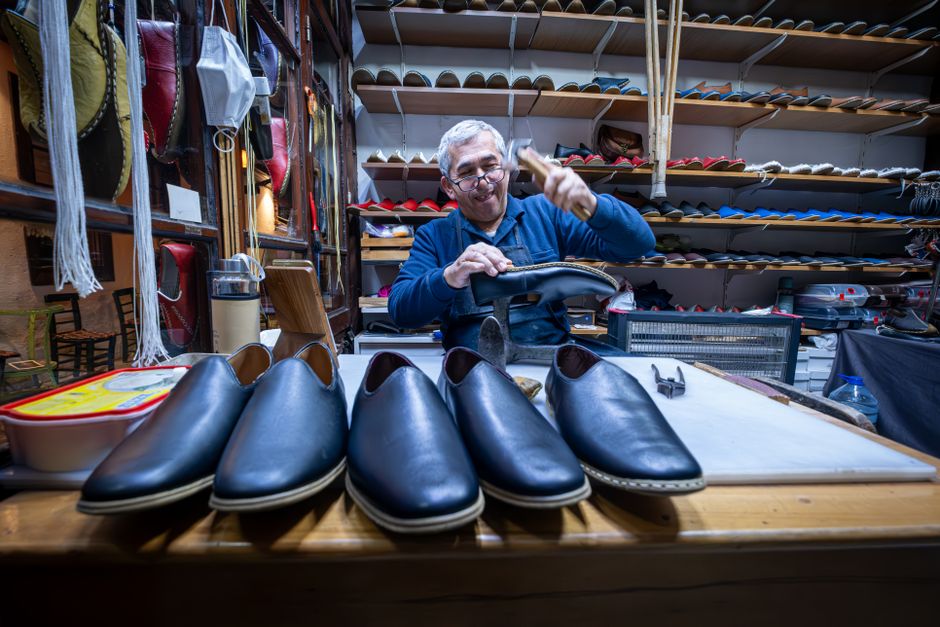
Handcrafted shoes demand skills that take years to develop. Pattern cutting, lasting, stitching, and finishing each require precision.
Smithsonian collections document footwear history spanning millennia—handmaking predates machinery by centuries.
Modern artisans blend that heritage with contemporary aesthetics. The result feels neither retro nor trendy; it's timeless by nature.
Makers like Bocshoes build reputation on material quality and construction transparency, showing customers exactly how their shoes are made.
Trade-offs Worth Understanding
Strengths
- Durability: properly made shoes survive years of wear with minimal repair
- Customization: many artisans offer bespoke sizing and color options
- Transparency: you know the maker and the production process
- Craftsmanship: visible detail and hand-finishing elevate the product
Trade-offs
- Higher upfront cost compared to mass-produced alternatives
- Longer production timelines—expect weeks, not days
- Limited size runs; sold-out styles don't restock instantly
- Learning curve for care (proper leather conditioning, storage)
What Drives Demand Right Now
1. Sustainability
Consumers reject disposable footwear. One well-made shoe replaces three cheap pairs.
2. Individualism
Mass-market shoe aisles feel homogeneous. Handcrafted means distinct.
3. Repair culture
Good shoes deserve restoration. Artisans often maintain their own pieces for life.
4. Local economy
Supporting independent makers keeps money in communities versus multinational chains.
The Economics of Small-Batch Making
A cobbler producing 500 pairs per year operates on thin margins compared to factories making millions.
Labor costs dominate handcrafted pricing—skilled work commands premium wages, as it should.
This economic reality explains why artisan footwear costs more. It also explains why makers are selective about materials and finishes.
Start with neutral colorways and classic silhouettes. Handcrafted shoes appreciate over time, but bold trends fade. Timeless shapes compound their value.
The Long View
Handcrafted footwear won't replace mass production—the market is large enough for both.
What's shifting is visibility and legitimacy. Artisan shoemaking is no longer marginal; it's a legitimate choice.
For those willing to invest, handmade shoes offer something fashion rarely delivers: permanence. In a throwaway industry, that's revolutionary.