Urban Streetwear in 2026: How City Style Evolved Beyond Hype
The uniforms of the street are maturing—less novelty chasing, more intentional craft.

Streetwear has stopped being the scrappy outsider aesthetic. It's now the dominant language of how people dress in cities worldwide.
What started as a reaction against high-fashion gatekeeping has become something more complex: a mature wardrobe philosophy that blends function, heritage, and individuality.
In 2026, the conversation around urban streetwear isn't about whether it's legitimate anymore—it's about what comes next.
The Shift From Hype to Substance
The streetwear scene of the early 2020s ran on scarcity and drops. Limited releases, surprise collaborations, resale markups—the machinery of artificial desire.
That model has fractured. Collectors still exist, but the broader streetwear audience has become less interested in owning proof of access and more focused on how clothes actually perform.
Fabrics matter now. Construction details matter. A hoodie or cargo pant is evaluated for weight, drape, and longevity the way a tailored blazer once was.
As Vogue has noted in recent coverage, the pendulum has swung toward garments designed to last multiple seasons rather than trend cycles.
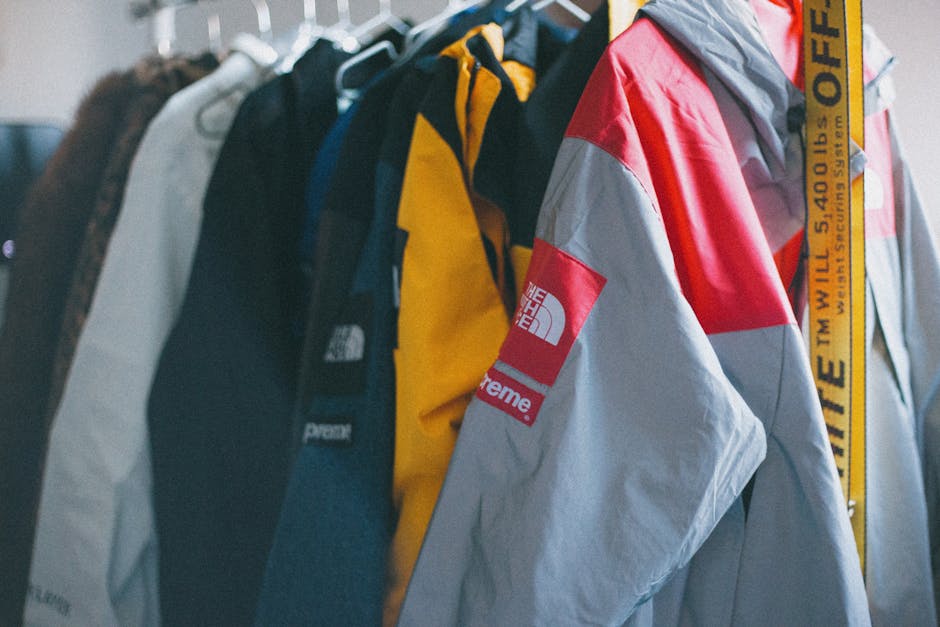
Core Traits Defining 2026 Streetwear
Heritage Craft Meets Function
Modern streetwear increasingly borrows from workwear traditions—canvas, durable weaves, and pocket geometry designed for actual use rather than visual flair.
Brands like Urban Pipeline have capitalized on this shift by emphasizing utilitarian construction without abandoning the clean lines that define contemporary street style.
The rise of 'quiet luxury' in mainstream fashion hasn't killed streetwear—it's matured it. Attention now goes to seam reinforcement, fabric weight, and the small choices that distinguish a $90 piece from a $180 one.
This isn't minimalism for its own sake. It's clarity of purpose.
Five Techniques Reshaping Urban Fit
1. Structured Shoulders Without Padding — Creates form without stiffness; works across body types.
The hook sits subtly at the shoulder seam to suggest shape.
2. Dropped Armhole Placement — Allows relaxed sleeves while maintaining proportion.
Prevents the 'oversized costume' effect common in poorly-executed streetwear.
3. Tapered Cuffs on Loose Silhouettes — Balances volume; anchors the bottom of garments.
A simple cuff can prevent an otherwise relaxed fit from reading as sloppy.
4. Pocket Scale and Placement — Functional pockets that also enhance visual proportion.
Oversized patch pockets are decorative; utilitarian placement works harder.
5. Contrast Stitching as Intentional Detail — Signals craft without screaming logo.
Thread color and stitch type can telegraph quality and design thinking.

The Role of Accessibility
One reason streetwear evolved beyond hype culture is accessibility. Not everyone wants to chase limited drops or camp outside a shop.
Year-round, reasonably-priced inventory allows people to build coherent wardrobes rather than collect trophies.
This democratization doesn't diminish streetwear's creative potential—it actually expands it by letting more people engage with the aesthetic thoughtfully.
The streetwear conversation has moved from 'Can you get it?' to 'Why would you wear it?'
Gen Z and younger millennials largely skipped the peak hype cycle. They came of age with streetwear already mainstream, so they treat it pragmatically—as a design language rather than an identity marker. This removes the gatekeeping energy that once defined
the scene.
The Long Game
Streetwear's evolution into maturity reflects a broader shift in how urban dressers think about clothing.
It's no longer about disruption or exclusivity. It's about clothes that work—that fit well, last long, and allow personal expression without requiring a press release.
As streetwear continues to blur with everyday wear, the stakes have paradoxically increased: the bar for thoughtful design and honest construction is higher, not lower.
That's not a threat to the culture. It's a sign it actually matured.