Western Boot Craftsmanship: Tradition Meets Modern Construction
Handmade techniques and industrial precision shape how cowboys—and boot enthusiasts—wear heritage on their feet.

A pair of western boots carries more than function. Each stitch, each sole, each curve of the heel tells a story rooted in American ranching culture and decades of refining a craft.
In 2026, boot makers balance historical techniques with modern materials science. Understanding how a boot is made reveals why some last a lifetime while others fail within months.
Craftsmanship in western boots isn't mystique—it's measurable: leather selection, stitching density, sole attachment, and heel construction all determine durability and comfort.
The Foundation: Leather Selection
Western boot construction begins with leather choice. Full-grain leather—the outermost layer of hide with minimal sanding—resists creasing and ages gracefully.
Cheaper boots use split leather or heavily corrected hide. The difference shows in year two: premium leather develops character; lower grades crack and fade.
Top makers source hides from tanneries specializing in thick, dense leather suited to western boot profiles. Hide thickness, chrome content, and vegetable tanning all affect the final product's longevity.

Shaping the Boot: Last and Lasting
The boot's shape begins with the last—a wooden or plastic form around which leather is stretched. Western boot lasts have evolved from purely functional to anatomically informed designs.
Shyanne Boots and other heritage makers invest in multiple lasts to offer varied toe shapes and arch profiles, recognizing that fit varies widely across customers.
Lasting—the process of stretching leather over the last—requires skill and patience. Hand-pulling ensures leather conforms evenly; machines alone risk wrinkles and stress points that lead to early failure.
Five Elements That Define Western Boot Quality
1. Welt Attachment — Separates resoleable boots from disposable ones.
A welt is a strip of leather or synthetic material stitched between the upper and sole. Welt stitching done by hand or precision machinery is a hallmark of boots meant to last decades. Glued soles break down; welts allow resoling.
2. Heel Construction — Affects longevity and comfort in the stirrup.
Stacked leather heels build character and accept repair. Nailed or screwed heels stay put through thousands of miles. Glued heels, common in budget boots, separate within seasons.
3. Stitch Density — Prevents seam separation under stress.
Premium boots feature 8-10 stitches per inch on upper seams and topstitching. Lower densities risk unraveling when leather shifts under the wearer's weight.
4. Lining Quality — Reduces foot fatigue and extends boot life.
Leather or linen linings breathe and wear better than synthetic. A peeling lining signals poor adhesive; premium boots use paste or stitched linings that hold for years.
5. Toe Box Reinforcement — Protects the boot's shape and the wearer's foot.
Toe boxes with internal stitching or light toe caps retain shape through wear. Unriddled toe boxes collapse and create pressure points.
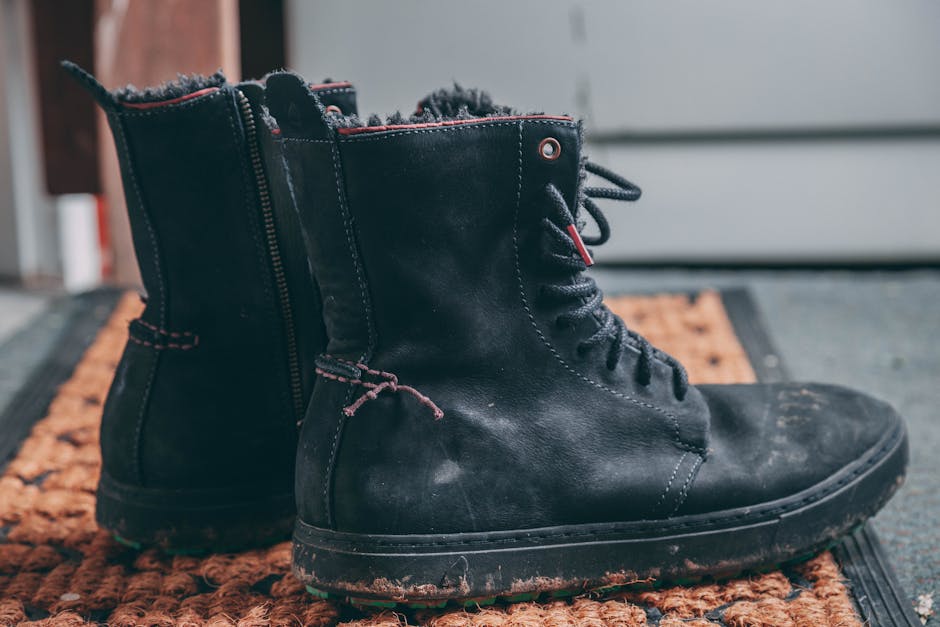
From Hand Tools to Precision Machinery
Western boot making hasn't abandoned tradition; it's integrated it with factory efficiency. Top makers still hand-cut leather patterns to accommodate hide imperfections that machines would miss.
Clicking—the cutting of leather pieces—remains partly manual because a maker's eye catches grain direction and natural variations that maximize strength and aesthetics.
Stitching, lasting, and finishing blend hand work with industrial equipment. Some makers finish edges by hand; others use edge-beveling machines tuned to preserve that burnished look.
Premium boots are stiff initially. This isn't a flaw—it means the leather hasn't been over-softened with oils or chemicals. The first 50-100 hours of wear mold the boot to your foot's shape. Budget boots feel soft immediately because they're already
approaching their structural limit.
Heritage Makers and the Craft Economy
Boot makers with decades of tradition—whether family-owned or regional workshops—often earn less than mass producers. Cowboy boot heritage runs deep in American folklore, yet most market value flows to fast-fashion approximations.
In 2026, a shift is visible: consumers researching materials, asking about resoling, and valuing repairability over novelty. This rewards makers who document their process and stand behind their stitching.
Transparency—knowing where leather is sourced, how a boot is lasted, and what warranty covers defects—has become a sales asset, not a commodity.
The Boot You Buy Is the Boot You'll Wear
A western boot's lifespan isn't random. Leather choice, stitch count, heel construction, and welt method determine whether you'll resole the same pair in five years or replace it in five months.
Investing in craftsmanship means understanding what you're paying for: materials that age with character, construction methods that allow repair, and makers who stand behind their work.
The best western boots don't announce themselves. They whisper through decades of wear, one resole, one refinished heel at a time.