What Premium Actually Means in 2026 Apparel
The label has become murky. Here's what separates genuine quality from marketing noise.

The word 'premium' has become nearly meaningless in apparel. Every brand claims it—from mass-market chains to independent makers.
In 2026, the distinction between genuinely premium goods and high-priced ordinary ones is wider than ever. The gap matters for buyers trying to make sense of their closets.
Understanding what premium construction, materials, and ethos actually look like reveals a simple truth: the price tag often lies.
The construction myth
Premium apparel used to mean hand-finished seams, French seams, and garments sewn to last a decade. That baseline still exists, but it's rarer than marketing would suggest.
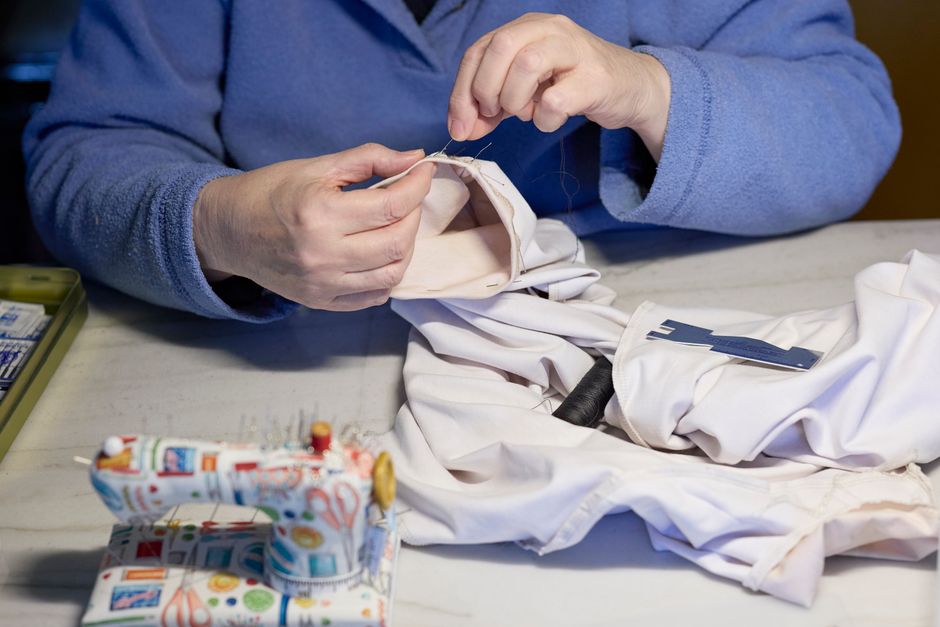
Quality stitching demands time. A premium shirt's collar stays sewn by hand at pressure points. The hem doesn't pucker. Thread tension is consistent.
Mass production cannot deliver this consistently—and brands betting on volume over durability simply don't invest in it. When a Business of Fashion report examined construction standards across price tiers, the finding was unsurprising: craft and speed are fundamentally opposed.
True premium construction shows in seams that stay flat after fifty washes. It's in linings that don't bunch. It's in button threading that won't snap in month two.
Material sourcing and transparency
A premium fiber tells a story. Merino wool from Patagonia differs from industrial-grade merino from unnamed mills.
The difference often isn't visible until wear reveals it—pilling, stretching, color fading. Premium apparel uses virgin fibers graded for durability, not cost-cutting blends that save pennies per unit.
In 2026, many brands hide sourcing details. Premium makers publish them. They name suppliers, certifications, and testing standards.
Cotton grown for premium apparel is typically combed, stapled by length, and traceable. Budget cotton is whatever clears inventory.

The durability trade-off
Strengths
- Premium garments justify cost through longevity—wearing for five years instead of one
- Better materials resist fading, shrinkage, and loss of shape
- Superior construction absorbs repeated wear, washing, and dry cleaning
- Repair is often viable because seams and hems are forgiving
Trade-offs
- Higher initial price excludes many buyers regardless of cost-per-wear math
- Style obsolescence can occur before garment failure—trend shifts render it unwearable
- Care requirements are often strict, adding cost and friction to ownership
- Market saturation with false 'premium' claims creates justified skepticism
The finishing details no one talks about
Premium apparel lives in details buyers often overlook. Buttonholes on a premium shirt are bound, not raw. Zippers move smoothly because they're tested before assembly.
The collar on a premium oxford doesn't curl after washing. The waistband on premium trousers won't roll or twist.
These aren't dramatic features. They're invisible when working correctly, obvious only through their absence. A premium garment's details feel intentional, not accidental.
Budget apparel accepts that raw edges fray, buttons loosen, and seams pucker. Premium accepts none of that.
Where premium actually shows up in 2026
1. Heritage and consistency — Brands with multi-decade histories tend to maintain standards because reputation is their only asset. Newer brands often chase margins instead.
Longevity breeds accountability. A brand making the same garment for thirty years optimizes for durability.
2. Small production runs — Made-to-order or limited-batch apparel allows scrutiny impossible at scale. Defects get caught before shipping.
Volume and quality are inversely related in apparel. Premium makers often produce fewer pieces.
3. Transparent supply chains — Brands disclosing mills, countries, and wage standards signal confidence. Secrecy signals corner-cutting.
Premium makers publish supply-chain data because they have nothing to hide.
4. Repair infrastructure — True premium brands offer alterations, mending, and replacement services—because they build products meant to stay in circulation.
If a brand won't repair its own products, it doesn't really believe in their durability.
5. Specific fiber claims — Premium makers cite exact fiber content, origin, and grade. Budget brands use vague generics.
"Cashmere blend" tells you almost nothing. "100% Mongolian cashmere, 19.5 micron" tells you everything.
The price-to-premium disconnect
High prices don't guarantee premium quality. Many expensive brands exploit brand equity and scarcity, not craftsmanship.
Conversely, some modestly priced brands maintain quality standards through lean operations and direct sales, cutting out retail markups.
The honest signal: brands that justify price publicly are usually confident. Those hiding behind mystique or exclusivity often aren't.
In 2026, any brand with something genuine to say about quality will say it plainly. If the marketing is all lifestyle imagery and no material facts, the product is probably ordinary.
A $300 sweater worn 300 times costs $1 per wear. A $50 sweater worn 30 times costs $1.67 per wear. Premium is an investment only when longevity is real.
What hasn't changed
Premium apparel still requires intentionality from makers and patience from wearers. Neither can be rushed or automated away.
The materials cost more. The labor costs more because it's skilled. Quality control costs more because mistakes are caught before shipment.
These aren't secrets. They're just expensive—which is precisely why so many brands claim premium status without delivering it. The label is free. The craft isn't.
Looking ahead
As sustainability and longevity become industry conversation starters, the real premium brands will be the ones already practicing it.
The inflation of 'premium' as a marketing term means discerning buyers must look past language and toward evidence—seam placement, fiber sourcing, repair commitments, supply-chain transparency.
In 2026, genuine premium apparel remains rare precisely because it's difficult to make. That difficulty, uncomfortable though it is, is the point.