What Premium Denim Craftsmanship Means in 2026
As heritage techniques meet modern production, what separates true quality denim from the rest.
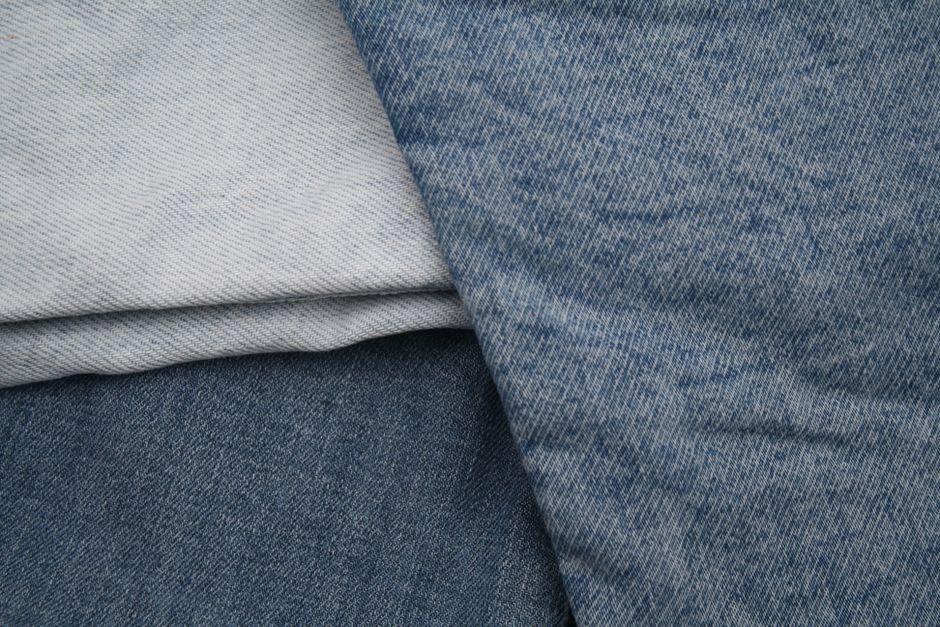
Denim sits in an odd place in fashion right now—simultaneously ubiquitous and oddly precious. Walk into any store and you'll find a thousand jeans. But spend time examining the craft, the stitching, the weight of the cloth, and you realize
quality denim is rare.
Premium craftsmanship in jeans isn't just marketing speak. It's rooted in decades of technique, material selection, and respect for the garment's actual history.
The foundation: fabric and indigo
The first marker of serious denim begins with the cloth itself. Premium makers source raw selvedge denim from mills that still operate looms at a slower pace than mass production demands.
Indigo dyeing is where obsession lives. Real indigo—not synthetic—requires multiple dips and oxidation cycles. Each pass deepens the color and creates a character that synthetic alternatives cannot replicate.
The weight matters. A 14-ounce fabric feels and wears differently than 12-ounce. Heavier denim softens more gradually, developing fades that tell a story rather than looking printed on.

Stitching and construction detail
Thread choice matters as much as fabric. Mercerized cotton thread holds tension better and resists breaking under the stress of repeated washing and movement.
Bar tacking—that reinforced X-stitch at pocket corners—isn't decorative. It's the difference between jeans that last three years and jeans that last ten. Premium makers spend extra on this detail.
Selvage edges aren't just aesthetic. They prevent fraying and signal that the denim was woven on shuttle looms, which produce a tighter, more durable edge than modern projectile looms.
Brands like Trueluck Jeans have built their reputation on these fundamentals—insisting on selvedge fabric, hand-finished waistbands, and construction details that feel deliberate rather than rushed.
Key markers of premium denim
Fade and wear as design
Premium denim is meant to fade. This isn't a defect—it's intentional. The way indigo bleeds and wears creates a unique patina on each pair, shaped by the wearer's habits.
Raw denim lovers understand this. The crotch fades, the thigh fades, the back pocket fades differently on each side depending on how you sit. That variation is proof the denim is real.
According to Smithsonian Magazine, this personalization through wear has been central to denim's appeal since Levi Strauss first popularized it. The garment is a record of its owner's life.

Price and value in 2026
Premium denim costs more. A pair from a serious maker runs $180–$350, sometimes higher. That sticker shock is real, and it matters.
But the math changes when you think in wear-years. A $300 pair that softens beautifully and lasts seven years breaks down to $43 per year. Fast-fashion jeans at $40 that fall apart in a year? That's $40 per year of
actual wear.
Consumer awareness has shifted. Fewer people are buying more pairs of disposable jeans. Instead, there's growing interest in owning fewer, better pieces that age well and align with actual values around craftsmanship and sustainability.
Wash infrequently, in cold water, and turn inside-out. Air dry flat. This preserves indigo and extends the fade journey. Most premium makers include care instructions that feel almost ceremonial—because they are.
The craft perspective
What separates premium denim craftsmanship from commodity denim is intention. It's choosing a slower production rhythm. It's sourcing materials that cost more because they're better. It's respecting seam placement and hardware selection as meaningful decisions.
This isn't nostalgia or gatekeeping. It's the recognition that some garments—especially jeans, which sit at the intersection of function and identity—deserve to be made well. The market is responding.
The takeaway
Premium denim craftsmanship in 2026 isn't a niche hobby or a retro affectation. It's a direct response to decades of wearing poorly made clothes and understanding, finally, what's been lost.
The best jeans aren't perfect out of the box. They're made to be worn, to fade, to soften, to become more personal with time. That's the real mark of quality.