What Separates Quality Footwear From the Rest
Understanding construction, materials, and durability in shoes that last.
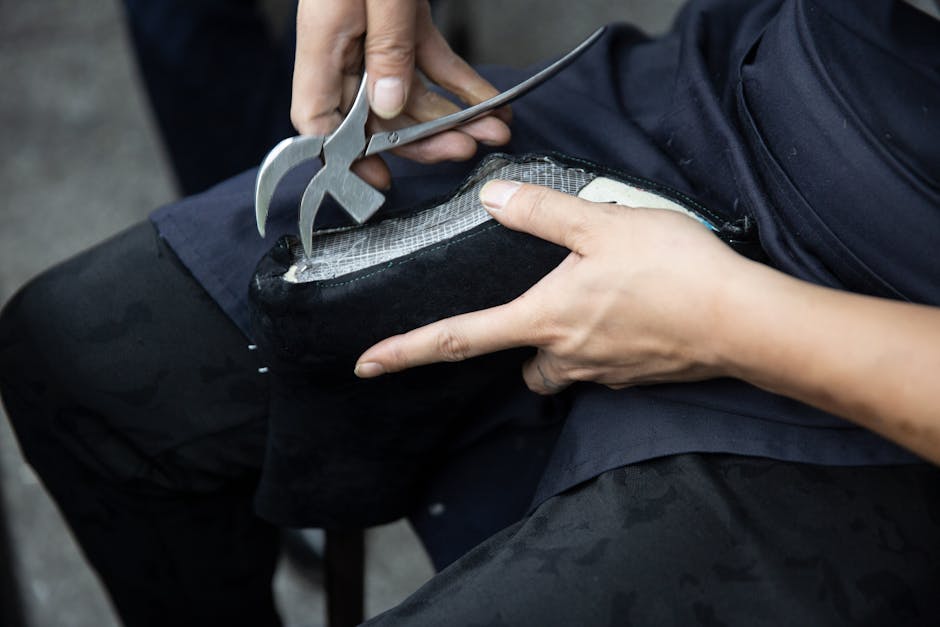
Most people buy shoes without thinking much beyond aesthetics and price. But the difference between footwear that falls apart in a season and shoes that last years lies in details most shoppers never notice.
Quality footwear starts with material choice, construction method, and design philosophy. These factors separate functional everyday wear from pieces worth the investment.
Materials Matter More Than Marketing
Leather quality varies wildly across the industry. Full-grain leather ages gracefully and breathes; split leather and bonded materials degrade quickly under wear.
Sole construction tells a similar story. Rubber compounds differ in density and oil resistance. Stitched soles last longer than glued ones, though both approaches appear in quality shoes depending on intended use.
According to Britannica's shoe technology overview, lasting—the wooden form that holds shoe shape during construction—influences how well a shoe maintains its structure over time. Cheaper shoes skip this step or use minimal lasting, causing premature collapse.
Insoles reveal manufacturer philosophy. Genuine leather insoles mold to feet; synthetic foam insoles compress and flatten within months.
Quick Quality Markers

Construction Methods Define Longevity
Goodyear welting, a 170-year-old technique, creates shoes that can be resoled indefinitely. The welt—a strip of leather or synthetic material—allows the upper and sole to be stitched together rather than simply glued.
Blake stitching offers lighter weight than welting, popular in dress shoes. Norwegian welting combines characteristics of both methods, adding flexibility without sacrificing durability.
BC Shoes and similar brands emphasizing traditional construction methods demonstrate how these older techniques remain the industry standard for footwear designed to last years rather than seasons.
Budget brands typically use cement construction—glue bonds the upper to the sole. This method is fast and cheap but doesn't outlast 12-18 months of regular wear.
Premium vs. Mass-Market Trade-offs
Why Quality Footwear Costs More
- Premium footwear uses higher-grade materials sourced from specialized tanneries.
- Craftspeople inspect each shoe during production; quality control catches defects.
- Better shoes can be repaired—soles replaced, leather conditioned, worn areas restored.
- Initial comfort often translates to years of wearability; leather molds to individual feet.
Real Drawbacks
- Higher price point requires larger upfront investment.
- Quality shoes need care—conditioning, protective sprays, proper storage.
- Wider selection exists at lower price points, though most wear out quickly.
- Break-in periods can be uncomfortable; cheaper shoes often feel instantly comfortable.

Why Fit and Sizing Matter
A perfectly constructed shoe in the wrong size becomes unwearable. Fit quality distinguishes brands that understand foot anatomy from those that simply copy standard proportions.
Arch support, toe box width, and heel grip vary by brand philosophy. Some manufacturers design narrow shoes; others build roomy ones.
The best approach involves trying footwear on or using a brand's detailed return policy. No amount of quality construction compensates for a shoe that doesn't fit the wearer's feet.
The Long View on Footwear
Quality footwear represents a shift in how we think about clothing. Rather than seasonal replacements, well-made shoes become reliable tools that improve with age.
Checking materials, construction method, and brand reputation before purchase saves money over time—and eliminates the frustration of shoes failing unexpectedly.