Why Comfort Footwear Dominates 2026 Apparel Trends
The shift from style-first to foot-first design is reshaping how people choose shoes.

Comfort footwear has stopped being a niche category. In 2026, it's become the baseline expectation across casual, professional, and athletic wear.
This shift reflects a broader change in how people value their clothes—not as status symbols, but as tools that serve their daily lives.
The rise of remote work, wellness culture, and honest conversations about foot pain have all accelerated this transition.
From Painful to Practical
For decades, fashion prioritized aesthetics over function. High heels, tight fits, and hard soles were standard.
That calculus has inverted. Consumers now openly choose shoes based on how they feel after eight hours of wear, not how they look in a mirror.
According to podiatry guidance on shoe selection, proper cushioning and arch support significantly reduce foot strain and long-term structural problems.
Brands that once positioned comfort as a compromise—something older people or health-conscious outliers needed—now market it as desirable.

What Drives the Shift
Style Catches Up to Substance
The old comfort-shoe aesthetic—orthopedic and clinical—no longer applies. Today's comfort footwear embraces color, texture, and design variety.
Brands like Grasshopper Shoes have proven that supportive construction doesn't require a clunky silhouette.
Minimalist lines, premium leathers, and thoughtful colorways make comfort shoes indistinguishable from fashion-forward alternatives.
The result: people no longer feel they're sacrificing style to protect their feet.
Key Comfort Footwear Features to Look For
1. Arch Support
Structured insoles that match your arch type reduce fatigue and prevent long-term misalignment.
2. Flexible Sole
A sole that bends naturally with your foot allows for a smooth gait and reduces stress on joints.
3. Breathable Upper
Moisture-wicking materials keep feet dry and comfortable during extended wear.
4. Lightweight Construction
Reducing overall shoe weight means less effort to lift your foot with each step.
5. Responsive Cushioning
Modern foam tech absorbs impact without feeling mushy or unstable.
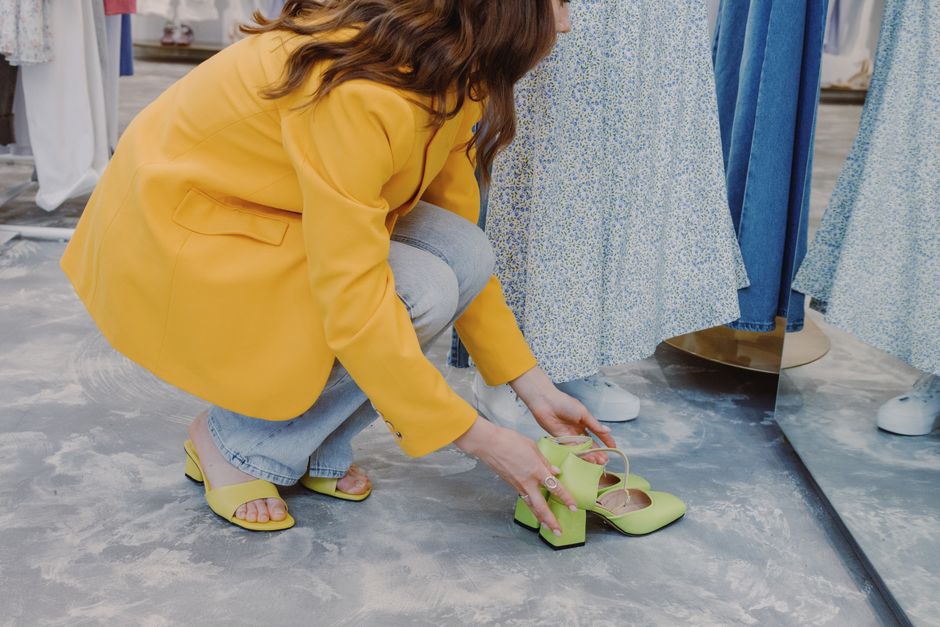
Two people wearing the same shoe model may experience completely different comfort levels. Try on multiple styles and sizes; what works for someone else might not match your foot shape.
The Professional Shift
Office culture has also softened its stance on footwear formality. Business-casual now includes supportive flats, loafers, and minimal sneakers.
This opens the category beyond casual wear. Comfort footwear is no longer relegated to weekends or gym trips.
Professional environments that once required polished leather are now accepting—or even encouraging—practical, well-designed shoes that employees can actually stand in for eight hours.
A Sustainable Shift
The comfort footwear movement isn't a trend cycling in and out. It reflects a genuine revaluation of what clothes should do.
As long as people spend their days standing, walking, and moving through physical space, foot comfort will remain a priority.
The brands that understood this transition early have redefined what it means to care about how you look and feel simultaneously.