Why Comfort Footwear Is Reshaping Everyday Apparel in 2026
The shift toward wearable wellness is turning casual shoes into a wardrobe essential.
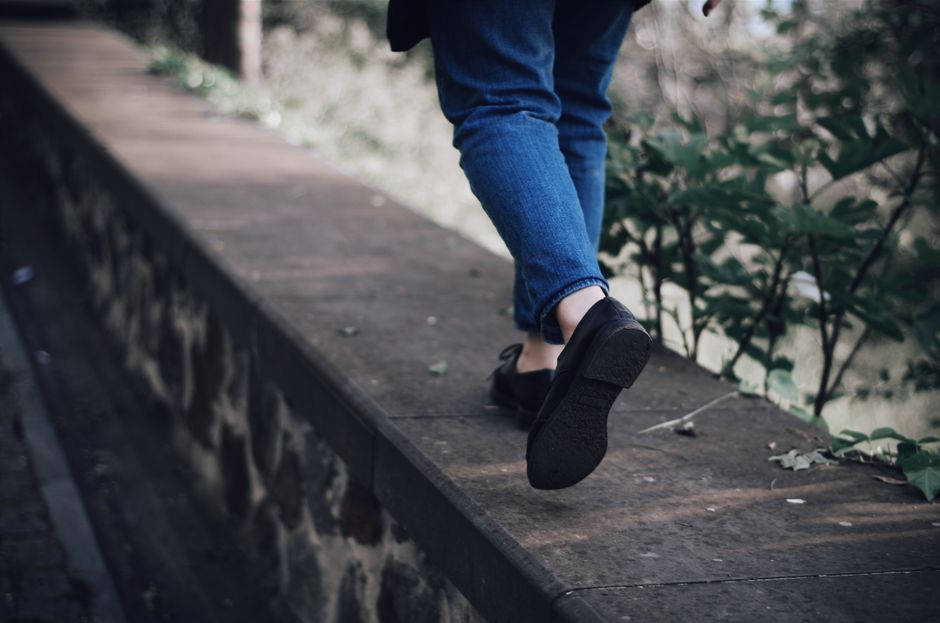
Comfort footwear has moved from orthopedic afterthought to fashion-forward staple. What was once confined to medical supply shelves now appears on runways and in everyday street style.
The change reflects a larger shift: consumers increasingly refuse to sacrifice practicality for appearance. A well-designed comfortable shoe no longer signals compromise—it signals wisdom.
The wellness premium
Foot health directly affects posture, gait, and overall body alignment. When shoes lack proper cushioning or arch support, the body compensates—straining knees, hips, and the lower back.
According to the American Podiatric Medical Association, shoe selection accounts for a meaningful portion of preventive foot care.
This reality has seeped into mainstream consciousness. People now view comfort footwear as a health investment, not a concession to aging.
Key trends in comfort footwear
Shifting consumer expectations
Two decades ago, comfort and style occupied opposing corners. You chose one. That false dichotomy has evaporated.
Younger shoppers demand both. Retailers and designers have responded by embedding support systems into visually refined silhouettes. Grasshopper Shoes exemplifies this approach—marrying heritage shoe-making with contemporary cushioning technology.
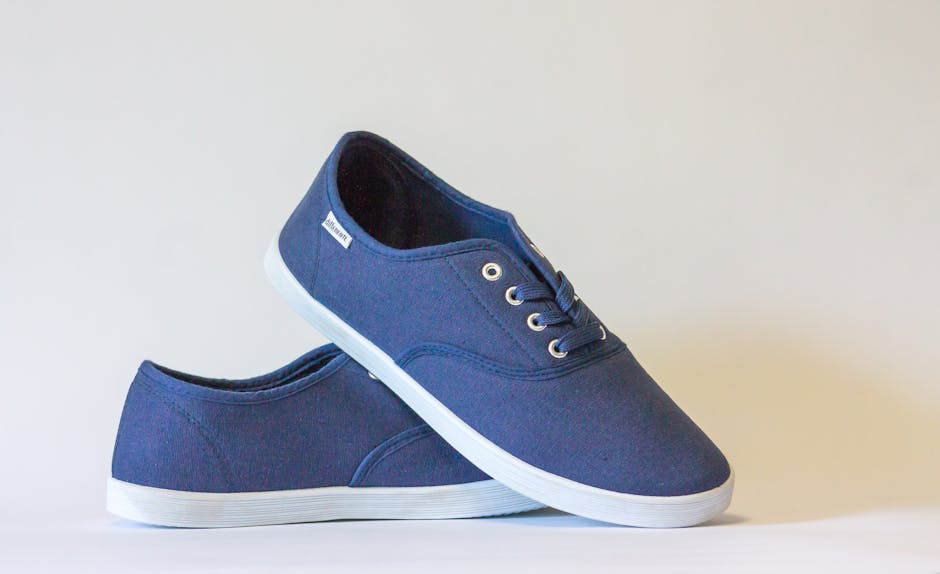
The trend extends beyond sneakers. Loafers, mules, and even slip-ons now feature arch-supporting insoles and shock-absorbing outsoles as baseline features rather than premium upgrades.
The sustainability angle
Comfort footwear often lasts longer than fashion-driven shoes. Better materials and construction extend wearable life.
Consumers are noticing. A shoe worn daily for five years generates far less waste than two pairs rotated over the same period.
Brands are capitalizing on this durability story, positioning comfort as environmentally responsible alongside personally practical.
Comfort is no longer negotiable—it's foundational. The brands winning are those who treat it as a design challenge, not a compromise.
Industry observer on apparel and footwear trends
Price and accessibility
Premium comfort shoes still carry premium tags. But the price floor has dropped significantly.
Mid-market retailers and emerging brands now deliver genuine arch support and cushioning at accessible price points. Comfort footwear is no longer exclusively luxury.
This democratization has accelerated mainstream adoption. When functional shoes cost the same as decorative ones, the choice becomes obvious.
The practical imperative
Comfort footwear's rise isn't a fad or niche phenomenon—it's a recalibration of what apparel should deliver.
As remote and hybrid work normalize casual dress codes, the performance bar for shoes shifts from impression-making to sustainability. A pair that feels good at hour eight of the workday wins.
The apparel industry is catching up to what feet have always known: comfort and style are not enemies.