Why Hand-Dyed Yarn Is Reshaping Modern Fiber Arts in 2026
Small-batch yarn production is challenging industrial standards—and fiber artists are taking notice.

Hand-dyed yarn has moved far beyond the niche hobby it once was. In 2026, independent dyers and established mills alike are experimenting with fiber techniques that blur the line between craft tradition and contemporary aesthetics.
What started as a way for knitters and crocheters to find unique colors has evolved into a legitimate conversation about sustainability, creative expression, and the future of how we source our materials.
The shift toward artisanal production
Industrial yarn manufacturing has long dominated the apparel and craft markets—efficient, consistent, predictable. Hand-dyed fibers introduce something different: variation, intentionality, and a direct relationship between maker and material.
According to Ravelry, one of the largest fiber-arts communities online, the number of independent dyers listing their work has grown steadily over the past three years. Many cite environmental concerns and a desire for transparency about fiber sourcing as their
primary motivation.
This isn't a rejection of commercial yarn entirely—it's a parallel ecosystem. Knitters now often choose between mass-produced options and small-batch alternatives depending on their project needs.
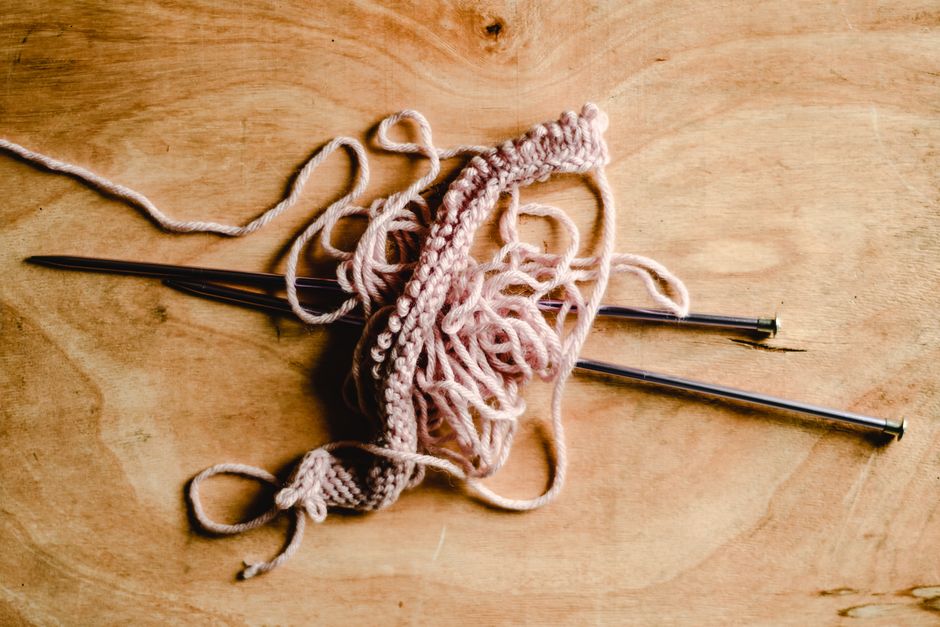
What hand-dyed yarn brings to the table
Who's buying, and why it matters
The audience for hand-dyed yarn spans experienced knitwear designers, hobbyists working on personal projects, and retailers looking to differentiate their product lines.
Established brands have taken notice. Major suppliers now offer hand-dyed collections alongside their traditional ranges, Bernat among them, recognizing that fiber artists want choice and storytelling embedded in their materials.
This shift reflects a broader apparel trend: consumers increasingly want to know where their materials originate and how they're processed.
Hand-dyed vs. industrial yarn: weighing the trade-offs
Strengths
- Unique, unrepeatable color palettes for one-of-a-kind projects.
- Direct support for small makers and independent dyers.
- Often uses higher-quality fibers or intentional blends.
- Easier to source vegan or eco-friendly options.
Trade-offs
- Higher per-skein cost limits large projects or stash-building.
- No guarantee of batch consistency if you need to reorder.
- Limited inventory—popular colors sell out quickly.
- Sourcing can be time-consuming if you have specific fiber needs.

The maker movement and its limits
Hand-dyed yarn thrives within maker communities, but it's not a replacement for industrial supply chains. Most working knitwear designers still rely on bulk yarn sources for commercial production.
What's changing is that craft organizations now actively highlight hand-dyed and artisanal fibers in their educational content and industry conversations.
The two systems coexist. Industrial yarn remains affordable and reliable for learning and larger projects. Hand-dyed yarn serves the artists who want intentionality and exclusivity in their creative process.
A maturing ecosystem
Hand-dyed yarn isn't a trend—it's a permanent fixture in the fiber-arts landscape now. As more independent dyers professionalize and mills diversify their offerings, the conversation shifts from novelty to viability.
For makers in 2026, the question isn't whether hand-dyed yarn matters. It's which projects, budgets, and creative goals align with artisanal sources versus industrial supply.