Contemporary Apparel Design: How Modern Fashion Balances Function and Form
In 2026, apparel designers navigate a tension between heritage craft and digital-first production.

Contemporary apparel design has shifted far beyond seasonal trend cycles. Designers now juggle sustainability mandates, digital prototyping, heritage technique, and consumer demand for authenticity—all at once.
The gap between runway concept and retail reality has narrowed. What once took months from sketch to shelf now unfolds across parallel paths: traditional sample development and rapid 3D visualization running side by side.
The Design Process Evolves
Digital tools have changed the rhythm of design houses. Sketching on paper still matters, but CAD software, fabric simulation, and virtual fitting rooms now sit alongside mood boards and hand-drawn draping.
Many contemporary designers report that Business of Fashion coverage of production timelines shows an industry leaning into agility. Prototypes materialize faster, allowing more iteration before committing to bulk orders.
Yet speed introduces risk. Rushed samples can obscure fit flaws or fabric behavior that hand-pressing would have caught. The balance between efficiency and craft detail defines a brand's identity.

What Shapes Design Decisions Today
Heritage Craft Meets Modern Production
A notable trend in 2026 is the deliberate reintroduction of hand-finishing touches. Seam topstitching, dart shaping, and collar attachment—details machines can execute but hands can refine—signal quality in contemporary collections.
I.N.C. International Concepts exemplifies this hybrid approach: digital sampling accelerates iteration, while fabric sourcing and final quality checks remain rooted in tactile evaluation.
This dual path isn't nostalgia. It's pragmatic: leverage automation for repeatability and speed, reserve hands-on decision-making for moments where human judgment changes the garment's character.
Five Drivers Reshaping Contemporary Design
1. Circular design principles — Garments engineered for repair, resale, and fiber recovery at end-of-life.
Seams, fastenings, and construction methods now anticipate secondary wear cycles.
2. Direct-to-consumer feedback loops — Brands collect fit and durability data from customers in real time.
This intelligence feeds the next design cycle within weeks, not seasons.
3. Regional production clusters — Proximity to target markets reduces lead times and enables micro-batch experimentation.
Proximity also shortens the feedback loop between design and on-the-ground retail insight.
4. Modular construction — Garments built from interchangeable components to simplify production and extensibility.
A jacket body might accept different sleeves or collar options, reducing SKU explosion.
5. Material innovation labs — Ongoing fiber R&D partnership with suppliers ensures access to novel, sustainable textiles.
Designers no longer wait for new materials; many now co-develop with fiber makers.
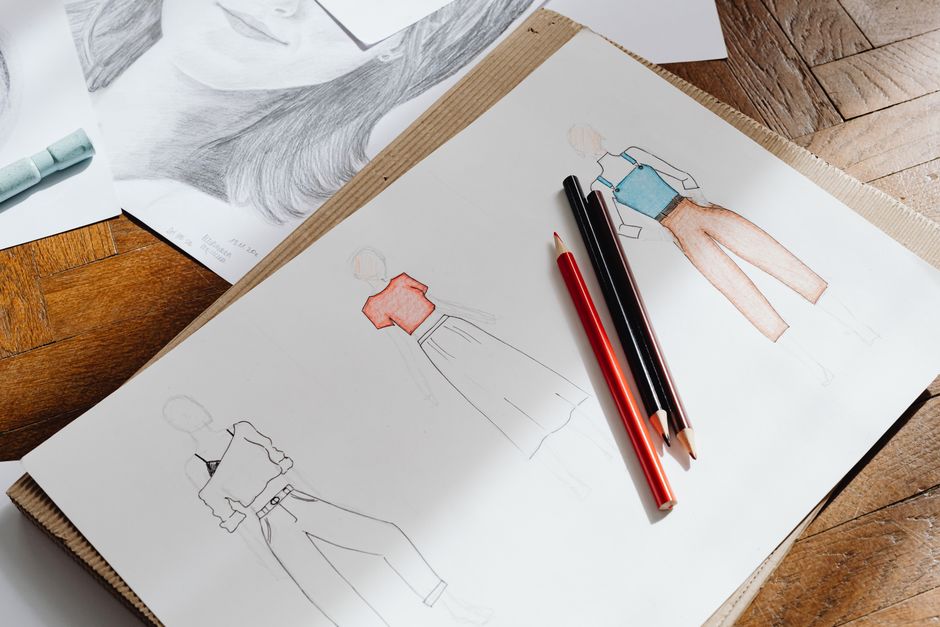
Many contemporary designers report that the pressure to deliver both novelty and consistency can be exhausting. Innovation demands exploration; market stability demands repetition. Navigating that tension is design's core creative challenge.
The Craft of Translation
A designer's vision exists in the mind, the sketch, the fabric swatch, the digital model, and finally the finished garment. Each step involves translation—and each translation risks losing nuance.
Experienced contemporary designers have learned to work backward: begin with the end-wearer in mind. What does the garment need to do? How will it move, age, be cared for? Only then draft the blueprint.
This shift from aesthetic-first to function-integrated design defines much of 2026's most thoughtful apparel work. Beauty without logic doesn't survive scrutiny.
Looking ahead
Contemporary apparel design in 2026 is neither purely artisanal nor fully automated. The most compelling work lives in the negotiation between hand and machine, tradition and efficiency, individuality and scalability.
Designers who master this balance—who know when to reach for a pencil and when to trust an algorithm—will define the next decade of how we dress.