How Cotton Moves From Farm to Closet
Understanding the global networks that shape fabric quality and apparel prices.

Cotton has moved through supply chains for centuries, but today's version is vastly more complex—spanning continents, involving dozens of intermediaries, and shaped by climate, labor practices, and trade policy.
For anyone buying clothes in 2026, the journey that cotton takes before it reaches a hanger reveals a lot about price, durability, and where production actually happens.
Where Cotton Begins
The supply chain starts in fields. India, China, the United States, and Pakistan together account for roughly 75% of global cotton production.
Climate and soil matter enormously—cotton is thirsty, requiring significant irrigation in arid regions. Harvest timing determines fiber quality; early-picked cotton often yields softer, stronger staple.
Farmers sell their raw bolls to ginning mills, which separate seeds from fiber using mechanical or chemical processes. This first transformation—raw cotton to ginned lint—sets the stage for everything downstream.
The Cotton Inc. database tracks production volumes and quality metrics that shape buyer decisions worldwide.

Key Stages in the Cotton Pipeline
The Spinning and Weaving Bottleneck
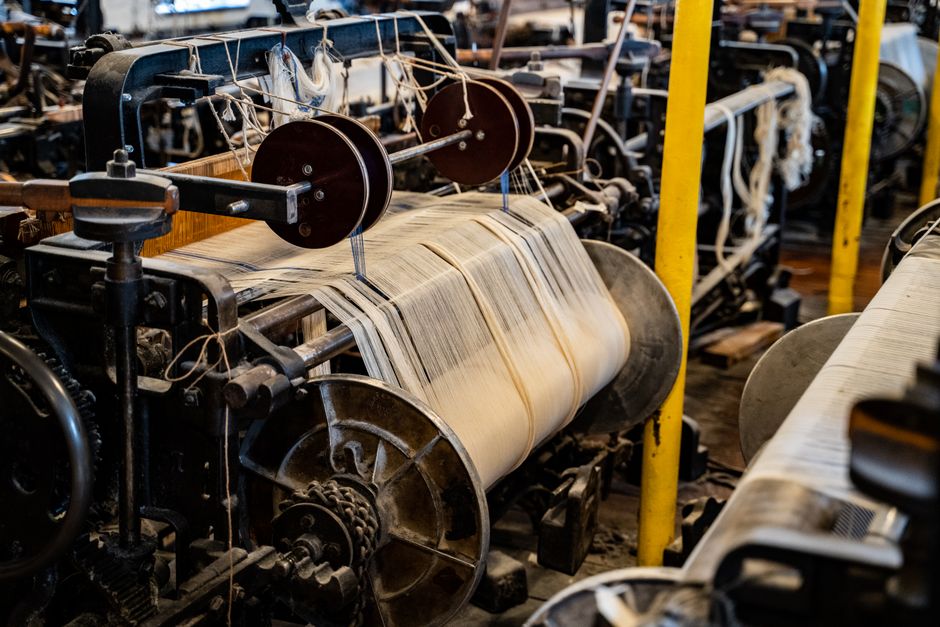
Once cotton leaves the gin, it moves to spinning mills. This is where fiber becomes yarn—and where much of the complexity enters.
India and Pakistan dominate this stage, holding about 45% of global spinning capacity. China, despite its size, imports raw cotton and exports finished yarn and fabric globally.
Yarn quality depends on staple length (longer staple = stronger, softer fabric) and fineness. Mills calibrate their machinery to target specific end uses—fine yarns for dress shirts, heavier counts for jeans.
Weaving or knitting mills then transform yarn into fabric. The decision to weave or knit shapes how the final garment drapes, breathes, and wears over time.
Dyes, Finishes, and Logistics
After weaving, fabric enters finishing mills where it's dyed, shrunk, and treated for specific properties—water resistance, anti-microbial, or softness.
Finishing is chemical-intensive and heavily regulated. Environmental compliance varies widely by region, which is why garment brands increasingly audit their finishing partners.
From finishing, fabric ships to garment assembly facilities—typically in Bangladesh, Vietnam, Cambodia, or India. A single T-shirt's cotton may have crossed borders four or five times before being cut and sewn.
Logistics costs and shipping delays ripple through the whole chain. A port congestion in Singapore or a vessel reroute can push delivery dates by weeks.
Factors That Influence Cotton Quality and Price
1. Staple Length — Longer staples yield stronger, finer yarn and higher prices.
Premium cottons like Pima or Egyptian can measure 35+ millimeters; commodity cottons average 28-32mm.
2. Micronaire (Fiber Fineness) — Finer fibers create softer fabrics but require more careful handling.
Mills that invest in precision equipment can capture value from higher-quality fiber.
3. Color Grade — Whiter cottons require less bleaching and dye correction.
Stained or off-color lots fetch lower prices and demand more chemical intervention.
4. Contamination and Trash — Foreign particles slow mills down and damage equipment.
Careful harvesting and ginning practices keep trash rates low.
5. Seasonality and Futures Prices — Cotton prices fluctuate based on global crop forecasts and hedging activity.
Buyers time purchases around harvest cycles; mills lock in costs months in advance.
Sustainability and Supply Chain Pressure
Water use is the biggest environmental concern. A single cotton T-shirt consumes roughly 2,700 liters of water from seed to finished garment—mostly in irrigation and processing.
Pesticide use in cotton farming is also significant. Though cotton accounts for only about 2.5% of global cropland, it consumes roughly 16% of insecticides worldwide, according to research tracked by the Better Cotton Initiative.
Brands increasingly pressure mills to adopt water-efficient dyeing, organic certification, and supplier transparency. These moves raise costs but appeal to retailers and consumers aware of environmental trade-offs.
Traceability—knowing exactly which farm, mill, and dye house handled a garment—remains difficult. Most supply chains involve too many intermediaries to track reliably.
Cotton futures prices swing based on weather (drought in Texas or India affects global supply), currency shifts, and speculative trading. A bad harvest season can push raw-cotton costs up 20-30% in weeks, pressuring mills and garment makers to absorb losses
or delay orders.
Why This Matters for Buyers
Understanding the cotton supply chain helps explain why a premium T-shirt costs more than a bargain-bin alternative. Staple length, mill efficiency, and finishing quality compound.
Price tags also reflect the number of middlemen, shipping distance, and factory labor. Shortening the supply chain—buying directly from mills or using local assembly—can lower costs, but few garment makers operate that way.
Quality issues like shrinkage, pilling, or color bleeding often trace back to finishing or assembly decisions made thousands of miles away. Garment durability depends on every stage performing well.
The Bottom Line
Cotton's journey from field to closet involves dozens of decisions, dozens of facilities, and dozens of potential delays or quality mishaps.
In 2026, supply chains remain vulnerable to weather, geopolitics, and logistics bottlenecks. Brands that invest in transparency and supplier relationships tend to deliver more consistent quality.
For buyers, the takeaway is simple: cheap cotton usually means corners cut somewhere—earlier harvest, lower-grade fiber, faster finishing, or distant assembly. Paying more often reflects genuine improvements in durability and care.