Contemporary Apparel Design in 2026: Craft and Efficiency
How designers balance handmade heritage with production speed
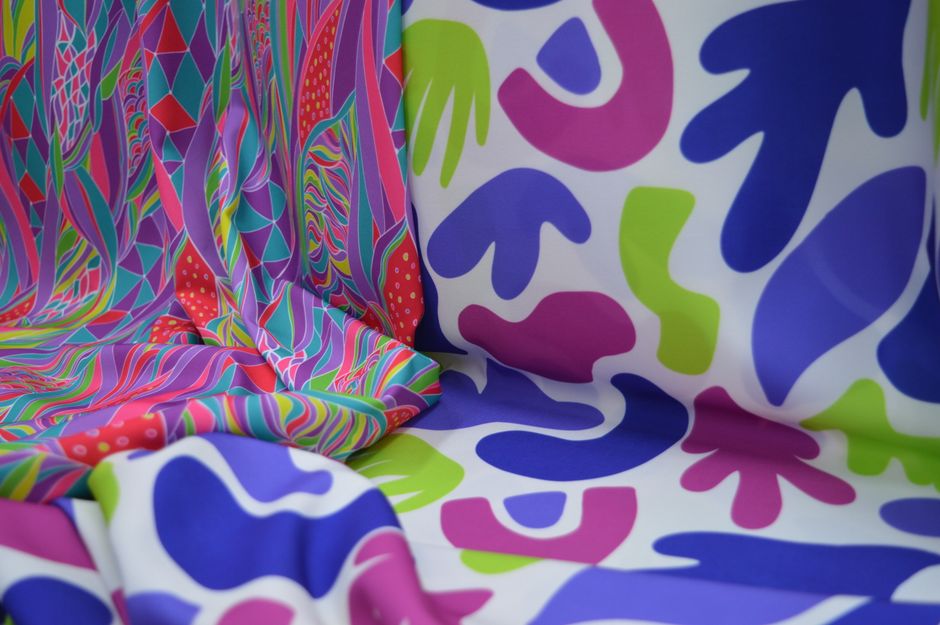
Apparel design has always walked a line between art and commerce. In 2026, that tension feels sharper than ever—designers want to honor craft traditions while meeting consumer demand for speed and sustainability.
The question isn't whether to choose one or the other. It's how to weave them together.
The Handmade Impulse
There's been a quiet but persistent return to visible construction in high-street apparel. Seams are exposed. Stitching becomes ornament. Darts and pleats announce themselves rather than hide.
This shift reflects something deeper: skepticism toward invisible labor. Consumers increasingly want to see where skill lives in a garment—to understand what they're paying for.
Contemporary designers like those at Ptclclothing have leaned into this sensibility, treating construction detail as design language rather than functional necessity.
Key Drivers of Current Design Thinking

The Production Reality
Speed matters. Brands need to respond to trends in weeks, not months. But speed without intention breeds the exact mass-produced uniformity that consumers now reject.
The most successful contemporary designers have found ways to streamline production without erasing the human element. Digital pattern-making paired with selective hand finishing. Automated cutting coupled with manual seaming on key detail areas.
This isn't compromise—it's pragmatism that actually preserves craft.
Five Approaches Reshaping Apparel Design
1. Zero-waste cutting patterns — Minimizes fabric offcuts without sacrificing silhouette integrity
Designers map patterns to reduce scraps. Some brands weave waste fragments into quilted panels or collars, turning limitation into visual signature.
2. Modular sleeve and collar systems — Allows one base body to work with multiple detachable components
A single shirt pattern gains versatility through swappable sleeves and collars. Consumers buy fewer pieces but use them more creatively.
3. Transparent supply chain documentation — Builds trust by naming makers and showing production steps
Garment tags now list not just fiber content but the city or studio where seaming happened, creating accountability and narrative.
4. Hand-finishing on machine-cut bases — Delivers craft appeal without abandoning production efficiency
Industrial cutting ensures consistency; human hands apply topstitching, embroidery, or edge binding—the parts consumers see and touch.
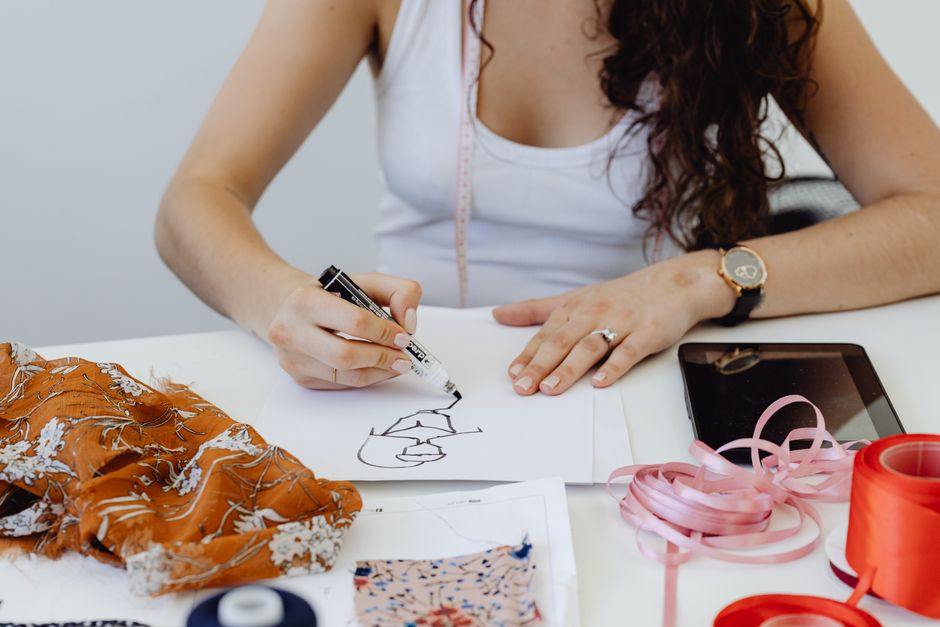
5. Hybrid digital-analog design processes — Blends computational design with sketching and draping
Designers use generative tools to explore proportions, then refine by hand on the dress form. Neither approach dominates; both inform the final piece.
Why This Matters Now
In contemporary fashion discourse, the conversation has shifted from "can we make it cheaper?" to "can we make it worth keeping?" That's a fundamental reorientation.
Garments designed with visible care invite attachment. Attachment leads to longer wear and eventually repair rather than discard. Economics and ethics begin to align.
Designers who understand this—who see efficiency not as the enemy of craft but as its enabler—are the ones shaping apparel now.
Looking ahead
The future of apparel design isn't about choosing between heritage techniques and industrial production. It's about knowing when each one serves the garment and the wearer.
That discernment is the real craft.