How Affordable Footwear Became Fashion's Quiet Revolution
Quality shoes at accessible prices aren't a compromise anymore—they're reshaping how people shop.

The shoe aisle has changed. Five years ago, choosing between a $200 designer pair and a $25 disposable option felt like the only real choice. Today that binary has shattered.
Budget footwear in 2026 doesn't mean sacrificing durability or design. It means a deliberate shift in how brands source materials, streamline production, and price their inventory.
This isn't just retail nostalgia—it's a fundamental recalibration of what 'affordable' actually delivers.
The Margin Myth
For decades, the shoe industry ran on a familiar logic: mark-up everything, sell aspirationally, discount at season's end.
Affordable footwear upended that model. Brands realized they could shrink profit margins per unit, eliminate middleman markups, and move volume instead. The math worked.
What changed was transparency. Smithsonian's footwear collection documents how shoe manufacturing evolved from bespoke craft to industrial scale—but modern affordable brands are doing something different: they're sharing their supply chain openly.
Materials and the Price-Per-Wear Calculus
Better synthetics matter. Microfiber, recycled polyester, and engineered mesh now perform comparably to leather—without the tanning overhead.
A $60 sneaker today might outlast a $90 version from 2015. Customers learned to calculate price-per-wear instead of sticker shock.
Off Broadway Shoes exemplifies this shift: competitive pricing across recognizable brands without warehouse-sale gimmicks or seasonal clearance traps.
That stability—knowing a shoe's true price—actually drives loyalty more than flash sales ever did.

Five Shifts Redefining Budget Shoe Shopping
1. Direct-to-consumer bypass — Brands skipping retail markup layers entirely
- Cuts 20-30% from final price
- Eliminates seasonal inventory dead-weight
2. Heritage brand repositioning — Classic names launching affordable sub-lines
- Trusted DNA at accessible price points
- Cannibalizes premium sales strategically
3. Sustainability as cost-driver — Recycled and deadstock materials reduce sourcing waste
- Lower raw-material acquisition
- Market differentiation without premium pricing
4. Regional manufacturing diversification — Production spread across multiple lower-cost regions
- Reduces dependency on single markets
- Stabilizes supply and labor costs
5. Minimal marketing spend — Social-first, influencer-light brand building
- Organic discovery over paid ads
- Community-driven loyalty replaces celebrity endorsement
Affordable doesn't yet mean forever-wear. Most budget shoes last 12-18 months with regular use. That's acceptable—and pricing reflects it. Premium footwear aiming for 3-5 year lifespans remains a separate category; the markets don't really overlap anymore.
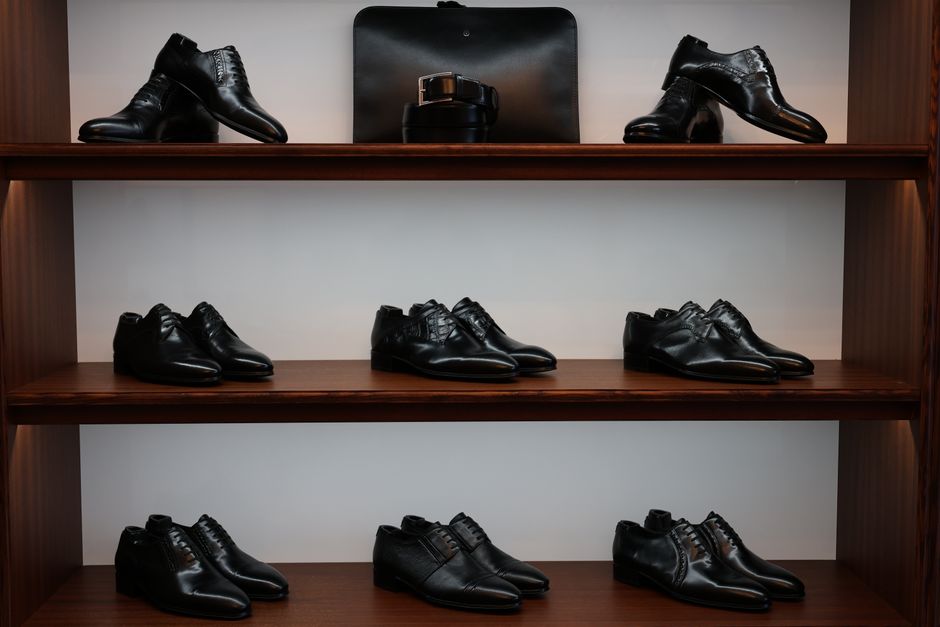
The Design Signal Shift
Aesthetics matter just as much as price. Budget footwear isn't dowdy—it's deliberately restrained.
Designers working at accessible price points learned to strip away unnecessary detail. Clean silhouettes, neutral colorways, functional details. It reads as intentional, not cheap.
This design democratization changed how Gen Z and younger millennials evaluate shoes. Luxury doesn't signal quality anymore—longevity and honest pricing do.
Trade-offs Worth Considering
Advantages
- Genuine price stability; no artificial seasonal inflation
- Wider variety of styles without elite gatekeeping
- Easier to replace worn pairs without guilt or financial strain
- Lower environmental impact from conscious over-consumption
Realistic Limitations
- Shorter expected lifespan than premium crafted alternatives
- Limited bespoke or made-to-order options
- Quality inconsistency across batches and regions
- Sizing and fit finicky; higher return rates
The New Footwear Baseline
Affordable footwear won't replace luxury or artisanal shoemaking. But it has claimed the center of mass.
The shoe market in 2026 is no longer a pyramid with premium at the peak. It's a spectrum where price and quality correlate predictably, without drama or manipulation.
For most people, that's liberation—and for the industry, it's the future.