How Cotton Supply Chains Shape Modern Apparel Production
From farm to finished garment, the journey of cotton reveals structural pressures reshaping the entire industry.

Cotton remains the world's most-used natural fiber for clothing, yet few consumers grasp what happens between harvest and the rack.
The supply chain that moves cotton from soil to store is fractured across continents, threatened by climate volatility, labor concerns, and consolidation pressures that ripple through every price tag.
Understanding this pipeline reveals why apparel costs what it does—and why the industry's future hinges on forces most shoppers never see.
Where Cotton Grows and Who Plants It
India, China, the United States, and Pakistan account for roughly 80% of global cotton production, according to data tracked by USDA agricultural reports.
Most cotton farming happens on smallholder plots in South Asia and West Africa, where farmers compete on razor-thin margins and face unpredictable weather patterns.
Irrigation demands are staggering—cotton consumes roughly 2,700 liters of water to produce a single t-shirt, making it vulnerable to drought cycles that have already disrupted harvests across Central Asia.
Pesticide use on cotton remains disproportionately high relative to the crop's land footprint, raising both environmental and occupational-health questions that ripple through supply-chain audits.
The Supply Chain By The Numbers
Ginning, Trading, and the Middleman Layer
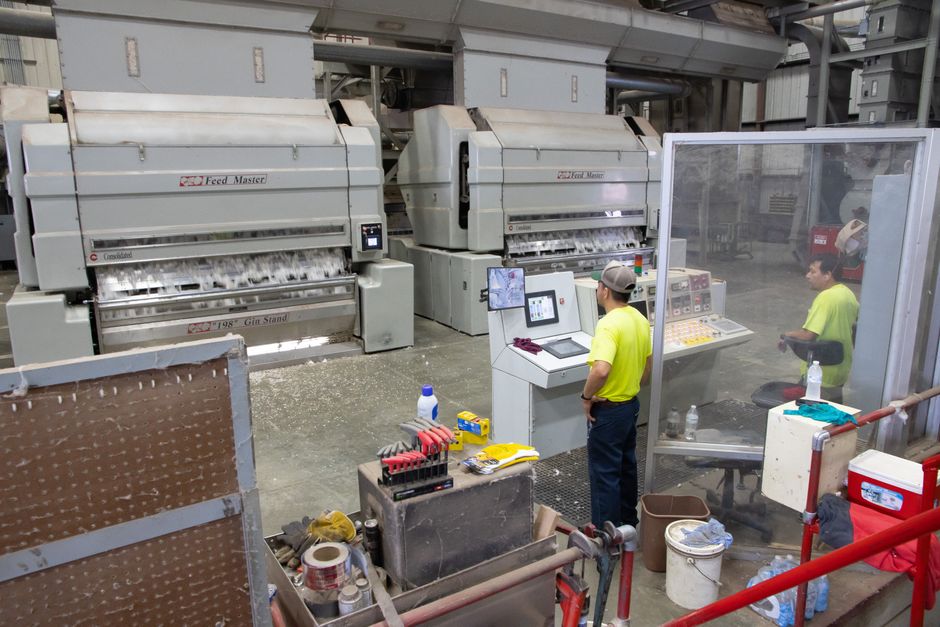
Once harvested, cotton bolls travel to gins—facilities that mechanically separate fiber from seed and debris.
This is where raw cotton becomes tradeable commodity. Quality standards and pricing are set here, and delays at this stage cascade through the entire system.
Cotton then moves through futures markets and commodity brokers before reaching textile mills, introducing financial speculation that can decouple fiber costs from what farmers receive.
Approximately 60–70% of ginned cotton is exported, concentrating processing power in a handful of nations and creating geographic bottlenecks that amplify supply shocks.
Spinning, Weaving, and the Mill Economy
Textile mills spin cotton yarn and weave or knit it into fabric—a capital-intensive process dominated by mills in India, Vietnam, Pakistan, and China.
Efficiency at the mill level determines much of an apparel brand's cost structure and lead times.
Mills operate under intense competition and thin margins, which incentivizes consolidation and, in some regions, labor-practice compromises that regulatory bodies and auditors continually flag.
A single mill's downtime or capacity constraint can force brands to source emergency fabric from alternate suppliers, disrupting planned product schedules.

Cotton Supply Chain Pressures vs. Alternatives
Strengths
- Cotton is renewable and biodegradable—a genuine advantage over synthetics for end-of-life disposal.
- Established infrastructure and price transparency make cotton more predictable than emerging fibers.
- Global production base reduces single-country dependency, though concentration in a few nations creates other risks.
- Consumer familiarity and comfort with cotton fabric support demand stability.
Trade-offs
- Water scarcity and climate volatility threaten production in key regions without major irrigation investment.
- Commodity pricing exposes both farmers and brands to volatility; speculation amplifies swings.
- Labor practices in some producing nations remain inconsistent despite audit efforts.
- Consolidation in ginning and milling reduces buyer negotiating power and innovation incentives.
- Long lead times (90–180 days from order to delivery) limit responsiveness to fast-moving trends.
Why Supply Chain Friction Matters in 2026
Climate disruptions are no longer outliers—they're structural. Flooding in Pakistan in 2022, droughts in India in 2023, and erratic US harvests have become normalized planning assumptions.
Brands are fragmenting their sourcing to de-risk single-region dependency, but this increases complexity and negotiating leverage for traders and mills.
Regulatory pressure on labor transparency and water stewardship is rising, forcing supply-chain audits that slow down procurement cycles.
Smaller independent brands struggle to negotiate favorable terms; only large-volume purchasers secure price stability or early allocation of premium-quality fiber.
The result: apparel cost inflation is now structural, not temporary—and margins for mid-market brands are being compressed.
Traceability remains fragmented. Most apparel brands cannot track cotton back to the farm level—certification programs exist, but uptake is uneven and verification costs are often borne by brands, not absorbed by commodity traders.
The Ground Reality
Cotton's journey from field to closet is opaque by design. Consolidation at every stage—farming, ginning, milling, trading—reduces transparency and increases the number of hands taking margin.
Brands that understand these structural pressures are already hedging via fiber blends, localized sourcing, and contractual lock-ins with mills.
For consumers, the takeaway is simpler: cotton apparel costs what it does because the path to your closet is long, fractured, and increasingly constrained by climate and geopolitics.
Expect cotton prices to remain volatile and price floors to drift higher as these supply-side pressures compound.