How Denim Heritage Craftsmanship Still Shapes Modern Jeans
The techniques that defined jeans a century ago remain central to quality production today.
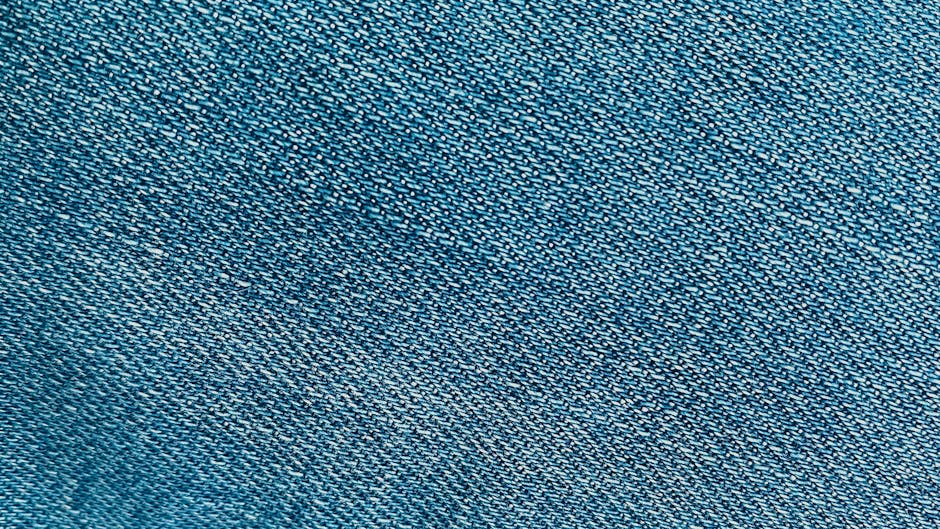
Denim's reputation rests on more than marketing or nostalgia. The fabric itself—its weave, weight, and durability—traces back to industrial standards set decades ago.
In 2026, as fast fashion accelerates, a growing segment of apparel makers and consumers are revisiting the foundational craft behind denim production.
Understanding what heritage craftsmanship means reveals why some jeans outperform others long after purchase.
The Roots of Denim Construction
Denim emerged from sturdy cotton twill fabric used in workwear. Smithsonian Magazine traces the fabric's evolution to 19th-century Nîmes, France, where weavers perfected a diagonal twill that resisted fraying.
The indigo dye traditionally used for denim came from natural sources, later industrialized but still prized for color depth and aging properties.
Heritage craftspeople understood that the warp-and-weft pattern determined longevity—tighter weaves meant longer wear.

Core Heritage Techniques in Today's Production
Why Craftsmanship Still Commands Attention
Mass-market denim prioritizes speed and margin. Heritage craftsmanship, by contrast, assumes the garment will be worn, washed, and worn again for years.
Rocky Mountain Jeans exemplifies makers who embed heritage techniques into contemporary production—sourcing quality cloth, applying traditional seaming, and respecting how fabric ages.
The difference surfaces in fabric hand (texture and drape), fading patterns, and seam durability after repeated wear and washing.
Consumers notice this within months, not years. A pair of jeans made to heritage standards typically shows intentional wear rather than breakdown.
Heritage denim often costs 2–3× fast-fashion alternatives. That premium reflects lower production volume, longer lead times, and investment in quality raw materials. It's not markup—it's structural.
Hallmarks of Heritage-Conscious Denim Today
1. Visible seam stitching
- Reinforced inseams and bar-tacking at stress points
- Colors that contrast (often orange or cream thread) rather than match
- Adds visual proof of intentional construction
2. Fabric weight transparency
- Makers specify ounce-per-square-yard weight
- Heavier fabrics (13–15 oz) mirror vintage standards
- Lighter weights marketed explicitly when chosen for summer wear
3. Limited production runs
- Small batches allow tighter quality checks
- Seasonal or one-time releases avoid standardized cookie-cutter inventory
- Signal commitment to craft over volume
4. Transparency about sourcing
- Identification of fabric mills or dyers used
- Documentation of labor practices
- Proves investment in supply-chain integrity

The Real Test: Longevity
Heritage craftsmanship stakes its reputation on one metric: how long a pair lasts before structural failure.
Seams should hold through dozens of wash cycles. Fabric should soften rather than thin. Indigo should deepen instead of vanishing.
This isn't nostalgia marketing. It's a measurable claim that brands either meet or don't.
The Craft Still Matters
Denim heritage craftsmanship isn't a trend or a pricing justification. It's a set of proven techniques that produce garments designed to outlast their makers' intentions.
Whether consumers choose to invest in that durability depends on their own wear patterns and values—but the craft remains, ready for those who understand its worth.