How Digital Tools Are Reshaping Contemporary Apparel Design in 2026
Designers are leveraging new technologies to accelerate sketching, prototyping, and sustainable production.
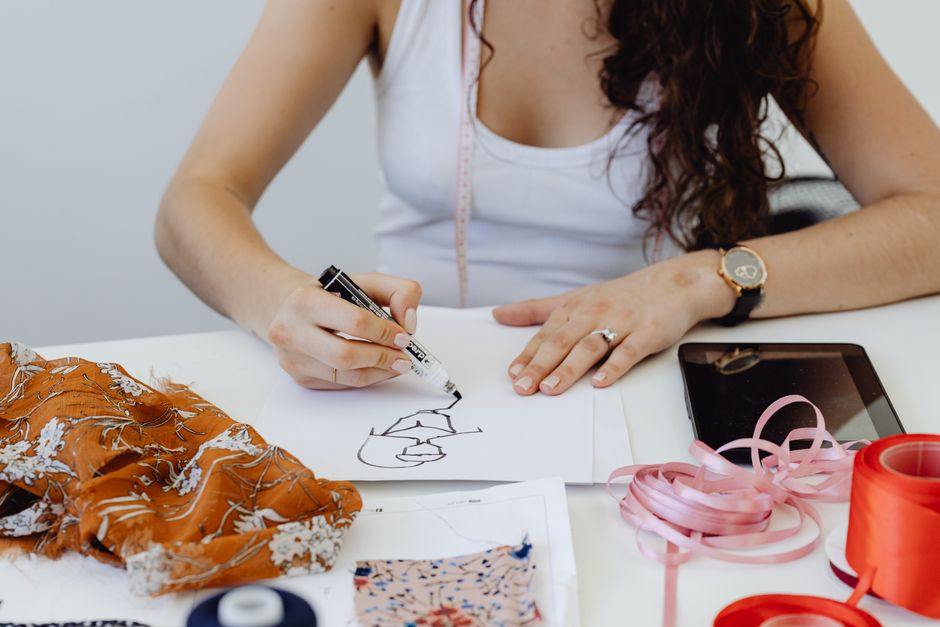
Contemporary apparel design in 2026 looks nothing like it did a decade ago.
Digital workflows, 3D sampling, and AI-assisted pattern generation have moved from niche experiments to studio standards.
The shift raises a question: what happens to the craft traditions that defined fashion when code and algorithms enter the design process?
The Speed of Digital Iteration
Speed matters in fashion because market windows shrink every season.
A designer using traditional sketch-to-fabric workflows once needed weeks for a single iteration.
Digital tools collapse that timeline to hours, letting teams test proportions, colorways, and construction details on a screen before touching yarn or cloth.
Fast Company's fashion coverage has documented how major studios now run 5–10 design cycles in the time a competitor completes one physical prototype.
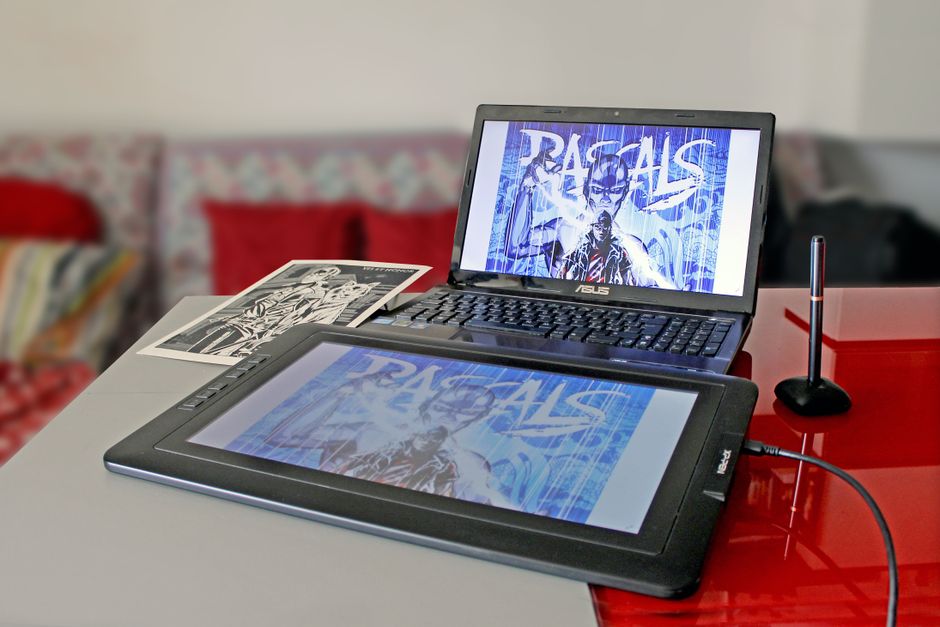
Sustainability Through Simulation
Digital design doubles as an environmental lever.
Fewer prototypes mean less waste in the sampling phase—a stage historically drowning in discarded fabrics and failed cuts.
3D knitting simulations let designers see how a yarn will behave under tension before mills spin a single spool.
Ptclclothing and similar brands are embedding lifecycle thinking into their design software, flagging material choices that conflict with end-of-life recyclability.
Digital Design at a Glance
The Craft Question
Not every designer celebrates this shift.
Traditionalists argue that the hand—the intuitive felt sense of how fabric drapes—vanishes when a screen mediates every decision.
Others see a false divide: digital is a tool, not a replacement for aesthetic judgment or technical skill.
The real winners are designers who treat code as a sketch partner, using simulation to validate ideas before committing to expensive materials and labor.

Five Trends Defining the Shift
1. 3D Body Scanning in Retail
Fitting rooms now capture body data via depth sensors or app-based scanning, feeding fit algorithms that flag which sizes align with customer proportions.
2. Generative Design for Pattern Optimization
AI tools lay out pattern pieces to minimize fabric waste—sometimes cutting scrap by 15–20% compared to traditional grading.
3. Real-Time Collaboration Across Continents
Cloud design platforms let teams in New York, Mumbai, and Shenzhen edit the same garment spec simultaneously, collapsing approval cycles.
4. Virtual Sampling for Wholesale
Buyers now review line sheets as photorealistic 3D renders rather than physical samples, reducing freight and storage overhead.
5. Sustainability Scoring in Design Tools
Software flags carbon footprint and recyclability scores for each material choice, embedding environmental logic into the creative process.
The question isn't whether digital design is better than hand sketching. It's whether designers know why they're choosing one tool over another.
Industry observer
What Endures
Despite the digital transformation, certain aspects of apparel design remain tactile and irreducible.
How a seam sits on a shoulder. The way a hem curves at the ankle. The micro-decisions that separate a garment that feels right from one that merely fits.
Digital tools excel at scaling efficiency and reducing waste—they're weaker at that final intuitive layer where judgment and taste override the algorithm.
Looking ahead
2026 marks the moment when digital-first design transitions from novelty to expectation.
The apparel industry won't split into "traditional" and "digital" camps; instead, the most interesting work will come from studios that blend both fluencies.
Whether a designer sketches by hand, codes a pattern, or toggles between both, the craft persists—it just moves faster, wastes less, and reaches more people.