How Performance Fabrics Are Reshaping Activewear Design in 2026
Modern activewear balances technical innovation with aesthetic ambition—and the fabrics driving that shift reveal what designers prioritize most.
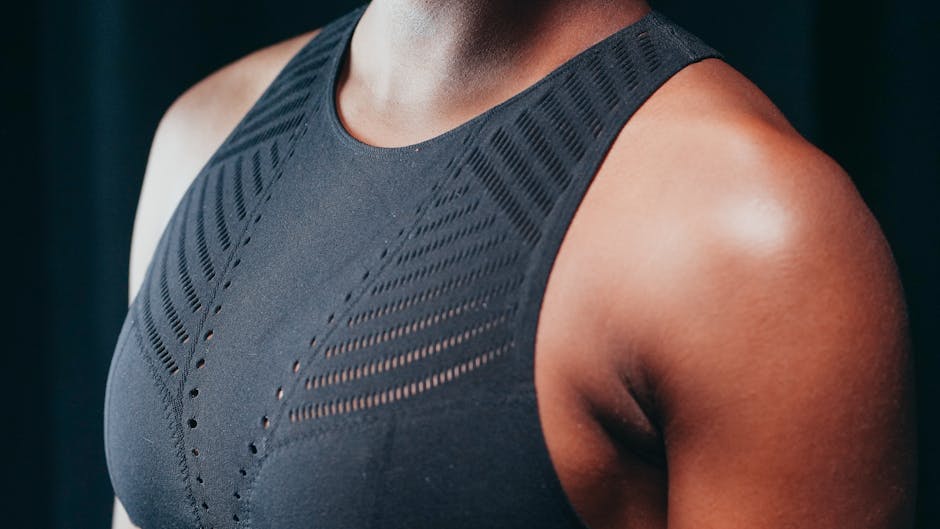
Activewear design has moved beyond basic moisture-wicking. Today's performance pieces demand integration of comfort, durability, and visual appeal—often simultaneously.
The fabrics themselves have become design partners, not afterthoughts. What used to be purely functional is now expected to look intentional.
The Shift from Function-First to Aesthetic-Forward
For decades, activewear followed a narrow formula: synthetic fibers, high-visibility colors, minimal detail.
That changed. Designers now layer technical performance with texture, drape, and color story. The result: pieces that work during a workout and transition after.
This shift reflects a broader cultural truth: people expect their gear to reflect their identity. A sports bra isn't just infrastructure—it's a statement.
Five Fabric Innovations Defining Current Activewear
1. Recycled Polyester Blends — Sustainability without sacrifice
Recycled fibers now perform identically to virgin synthetics. Brands use them to signal environmental commitment while maintaining technical specs.
2. Buttery-Soft Nylon — Premium comfort
High-denier nylon creates a luxe hand-feel that wool or cotton can't match. Moisture management stays sharp despite the soft touch.
3. Moisture-Wicking Blends — Extended wear sessions
Polyester-elastane combinations now include fibers that pull sweat away faster than predecessors, keeping athletes dry during intense activity.
4. Seamless Knit Construction — Invisible chafe reduction
Tubular knitting eliminates side seams entirely. Impact: zero friction, cleaner silhouette, and more design freedom for colorblocking.
5. Temperature-Regulating Finishes — Versatility across seasons
Phase-change microencapsulation absorbs and releases heat. One piece adapts from cool studio sessions to outdoor runs.
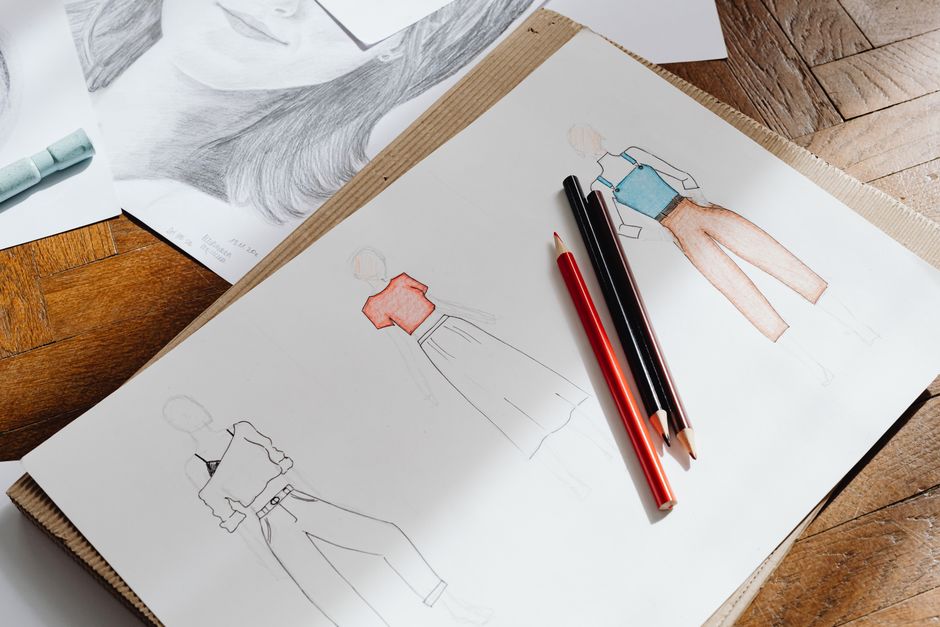
Color and Texture as Design Language
Solid black and neon are no longer the default. Designers now embrace deep jewel tones, earth palettes, and subdued neutrals that feel intentional rather than safe.
Texture variation—matte panels against shine, ribbed trims on smooth bodies—adds dimensionality. This approach makes pieces visually interesting whether static or in motion.
Brands like Bandier have pioneered this aesthetic: performance gear that reads as curated, not utilitarian. The line between activewear and everyday apparel continues to blur.
According to Business of Fashion, athleisure categories now overlap with luxury and streetwear. Fabric quality and design details matter as much to weekend wear as to gym sessions.
Sustainability Meets Performance
Environmental pressure has pushed fabric innovation. Dead-stock textile recovery, algae-based yarns, and lab-grown fibers are no longer niche experiments.
The challenge: these materials must perform identically to conventional synthetics. Designers can't compromise fit or durability for eco-credentials.
Early results are promising. Second-generation recycled polyester now meets the same compression, elasticity, and color-fastness standards as virgin fiber.

Core Fabric Properties Designers Prioritize
The Fabric-First Future
Activewear design no longer separates performance from aesthetics. The best pieces engineer both simultaneously.
As fabric technology accelerates, designers gain more freedom to experiment with color, weight, and texture. The result: activewear that's genuinely designed, not just assembled.
2026 marks a moment where technical rigor and visual intention have finally merged. That's not a trend—it's the new baseline.