How Temperature and Humidity Shape Denim's Aging Process
Environmental conditions play a hidden role in how indigo fades and fabric softens over time.
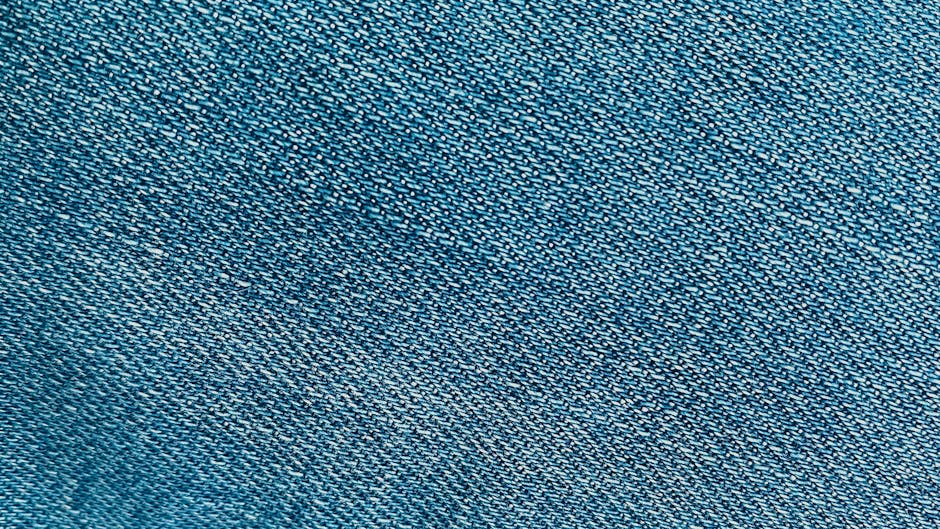
Denim lovers obsess over fades, creases, and whiskers—the visible markers of a pair worn hard and lived in. What fewer people discuss is the invisible chemistry driving those changes: temperature and relative humidity.
These two environmental factors govern how indigo dyes break down, how cotton fibers soften, and how quickly a stiff new pair transforms into something supple. Understanding GMT (Greenwich Mean Time as a reference for global conditions) and RH (relative humidity)
helps explain why one person's one-year-old jeans look decades old while another's show barely a whisper of wear.
The Role of Humidity in Indigo Fading
Indigo is a vat dye—it bonds to cotton through a chemical reduction process. Higher relative humidity (above 65%) accelerates the oxidation of indigo particles at the fiber surface.
This oxidation weakens the dye-fiber bond, allowing indigo to abrade off more readily. In humid climates, creases fade faster and whiskers appear sharper because sweat, moisture, and friction work in concert.
Lower humidity (30–50%) slows this process significantly. Denim stored in dry conditions shows minimal fading even after extended wear, which is why heritage enthusiasts in arid regions sometimes see pale indigo creases only after years of daily use.
Temperature's Effect on Fiber Degradation
Heat accelerates molecular motion. Warmer temperatures speed up both dye oxidation and the breakdown of cotton's cellulose structure, making fabric softer faster.
Consistent warmth (65–75°F) balances fading and softening. Cooler temps (below 55°F) slow both processes, resulting in a pair that stays rigid longer but fades more slowly.
Extremes matter too. Temperatures above 85°F can damage indigo's color stability within weeks. Cold below 40°F doesn't harm denim but effectively freezes aging—a pair stored in an unheated closet may take twice as long to develop the same character as
one kept at room temperature.

Environmental Conditions and Their Impact
Seasonal Variation and Year-Round Wear
Most denim wearers live through seasonal swings. Summer humidity and warmth accelerate fading; winter cold slows it. A pair rotated through all seasons develops uneven character—fades concentrate in summer months, while winter wear adds minimal visual change.
According to Vogue Business, denim's aging process is largely a story of environmental exposure and mechanical wear working together. Consistent conditions—whether warm-humid or cool-dry—produce more predictable, uniform fading.
Travelers and people who relocate mid-year often notice the shift. Moving from a humid subtropical climate to a temperate one can cause a pair mid-fade to plateau visibly.
Storage matters as much as wear. Keep unworn denim in a cool, dark place with moderate humidity (40–60%) to preserve indigo and prevent mildew. Direct sunlight degrades dye independently of temperature and humidity—a separate concern that compounds seasonal exposure.
Water and Washing's Humidity Factor
Washing denim adds a humidity spike. Water absorption temporarily softens fibers and can trigger additional indigo loss if the wash is warm. Cold water washing (below 60°F) minimizes both effects.
Some enthusiasts avoid washing for months or years, partly because water introduces humidity directly into the fiber structure. Each wash cycle in warm water mimics a humid day's effects on the dye bond.
Post-wash drying conditions also influence aging. Air-drying in cool conditions (around 60°F) allows indigo to re-stabilize. Machine drying at high heat can set color loss and accelerate fiber embrittlement.

Environment as an Invisible Tailor
GMT and RH aren't glamorous topics, but they're the reason identical pairs worn in different climates age differently. Temperature and humidity don't create aging—wear and abrasion do—but they set the pace and intensity of chemical change.
For anyone serious about understanding their denim's trajectory, tracking seasonal conditions and wear cycles reveals patterns. A year in Florida produces different fades than a year in Seattle, even with identical care and wear frequency.
The takeaway: denim aging is personal. Your environment is part of your story.