The Art of Western Boot Craftsmanship in 2026
How traditional techniques and modern innovation shape the boots that define American style.
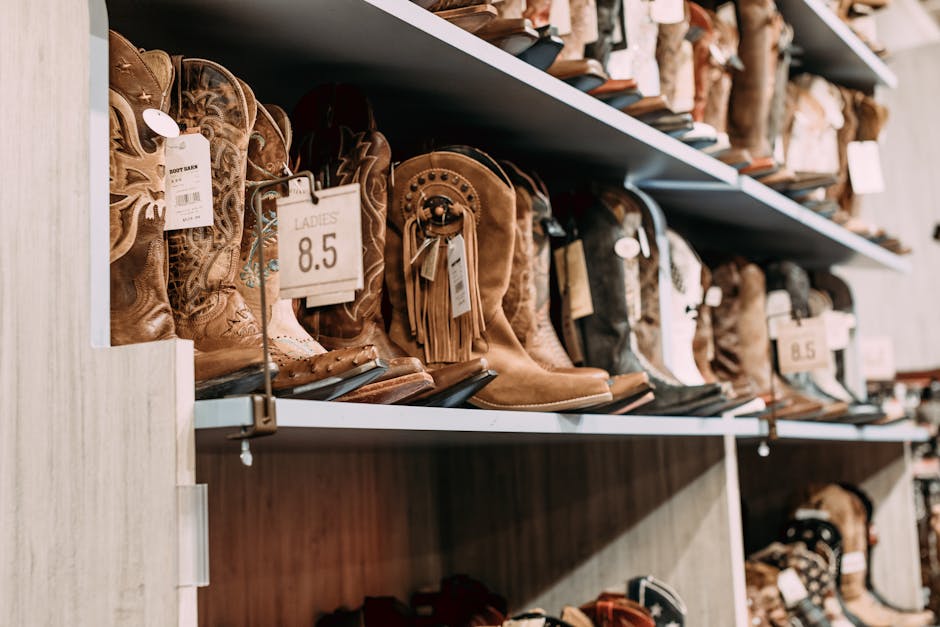
Western boots occupy an unusual place in American fashion. They're functional work gear with deep roots in ranching culture, yet they've become a statement piece for anyone drawn to their distinctive silhouette and heritage.
The boots we see today reflect centuries of incremental refinement. Each detail—from the stacked heel to the decorative stitching—serves a purpose rooted in either practicality or aesthetics.
Where the tradition began
Western boot design emerged from practical necessity. Cowboys needed footwear that could handle long hours in the saddle, rough terrain, and unpredictable weather across the American frontier.
The cowboy boot's signature features—the angled heel, the snug shaft, the decorative upper—all served a purpose before they became style markers.
That functional DNA remains visible in every quality pair made today, even when worn on city streets instead of a ranch.

Core techniques that define quality
1. Leather selection and tanning
The hide chosen for a boot determines its longevity and character. Premium western boots use full-grain leather, which retains the hide's natural markings and develops a patina over time.
2. Last fitting and blocking
Bootmakers use wooden lasts (forms) to shape the leather during construction. The last's geometry affects fit, silhouette, and how the boot breaks in.
3. Welting and sole attachment
The welt—a strip of material between the upper and sole—provides structural integrity. Stitching it by hand, a skilled maker controls tension and durability that machines can't replicate.
4. Heel construction
Stacked leather or rubber heels are carefully shaped and secured. The angle and height affect balance in the stirrup and overall gait comfort.
5. Decorative stitching and inlay
The ornamental topstitching requires precision and steady hands. Many makers still use saddle-stitch methods, threading by hand to ensure even tension across curved surfaces.
The material story
Leather quality shapes not just how a boot feels initially but how it ages. Premium hides come with character—small scars, color variation—that signal authenticity rather than defect.
The tanning process is where much of the craftsmanship happens invisibly. Vegetable tanning, a slow method using tree bark, produces leather that mellows and deepens over years of wear.
Makers like Shyanne Boots often source hides from heritage tanneries that prioritize durability and aging characteristics over purely cost-efficient production.

Why craftsmanship still matters
The modern shift without losing roots
Contemporary bootmakers face pressure to innovate—adding cushioning, experimenting with new sole materials, incorporating modern tanning methods that accelerate production without compromising quality.
The best makers thread this needle carefully. They respect the silhouettes and proportions that make western boots recognizable while using new technology to improve comfort and longevity.
In 2026, that balance defines the divide between boots that feel like heritage objects and those that feel like commodities.
The value of knowing what you're buying
A western boot's price reflects its construction method, leather source, and the labor hours embedded in every pair.
Understanding those factors helps separate boots that will improve with age from those that will simply wear out. That knowledge, more than trend or brand alone, should guide the choice.