Urban Streetwear in 2026: How the Genre Moves Beyond Hype
From the corners of skate parks to corporate boardrooms, streetwear has matured — but what does that actually mean?
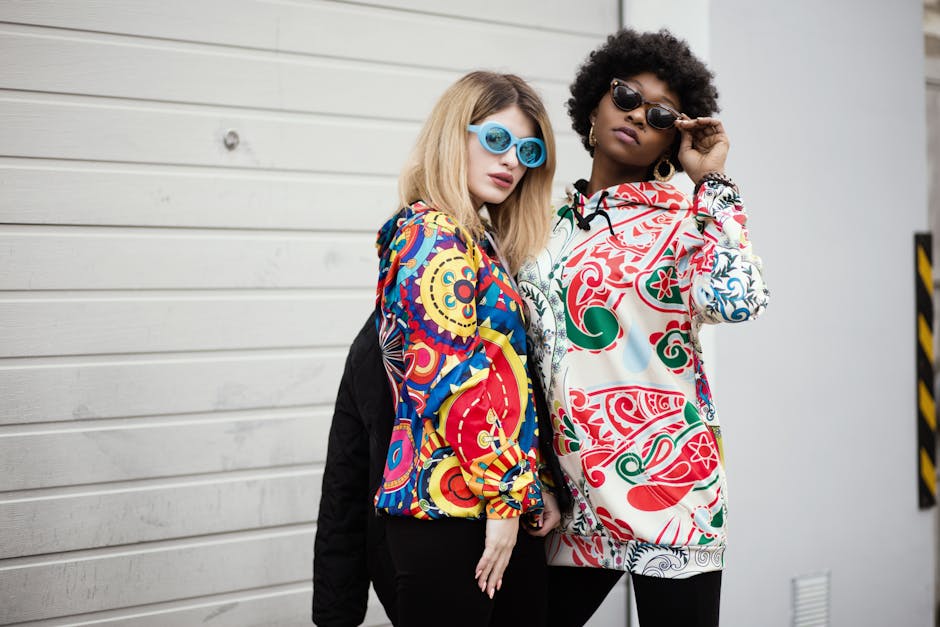
Streetwear stopped being countercultural somewhere around 2020. What began as underground rebellion—baggy jeans, graphic tees, limited drops—now fills every mainstream retailer's floor plan.
By 2026, the conversation has shifted. It's no longer about whether streetwear belongs in polite company. It's about what happens when it matures.
The genre has fractured into competing visions of authenticity, sustainability, and commercial viability.
The Saturation Moment
Walk into any shopping district and streetwear silhouettes are uniform now: oversized hoodies, cargo trousers, chunky sneakers.
This democratization stripped away scarcity—the original engine of streetwear's appeal. When a hoodie costs $35 instead of $350, the gatekeeping dissolves.
What persists is the attitude. Brands like Urban Pipeline have capitalized on that distinction—offering accessible quality that doesn't require a hype resale ticket.
The real players now compete on narrative, not just novelty.
Five Shifts Defining Streetwear Today
1. Sustainability becomes non-negotiable — Conscious consumers demand recycled fabrics and transparent supply chains.
Vintage aesthetics now carry environmental weight, not just nostalgia.
2. Gender fluidity in design — Oversized cuts and unisex silhouettes dissolve hard categories.
Streetwear's own DNA—borrowed-from-menswear origins—enables this shift naturally.
3. Local production over global drops — Regional brands hold authenticity power that mega-collaborations can't match.
The drop model survives, but location beats hype now.
4. Functionality returns — Practical pockets, weather resistance, and durability matter more than pure aesthetic.
Streetwear borrowed from workwear and sportswear; now it's remembering why those genres existed.
5. Community over celebrity — Micro-influencers and local crews shape trends more than mega-endorsements.
TikTok has fragmented the monolithic "streetwear aesthetic" into dozens of subcultures.

Where Authenticity Actually Lives
The streetwear conversation used to revolve around access: who could cop the rare piece, who had the inside connection.
Now it revolves around intention. Does the brand understand *why* oversized works? Does it know the cultural roots of the silhouette?
Smaller, deliberate operations have seized this advantage. They don't have SKU bloat or quarterly earnings pressure—just a clear point of view.
That clarity reads as credibility in a crowded field.
Vintage and secondhand streetwear now drives more volume than new drops at some price points. Rarity found in thrift stores beats manufactured scarcity every time.
The Collaboration Fatigue
For years, streetwear thrived on surprise partnerships: unexpected brands, impossible collabs, limited editions that vanished in hours.
By 2026, that model shows cracks. Oversaturation of collaborations—with heritage brands, celebrities, and other streetwear labels—has diluted the impact.
The most successful recent partnerships tend to be quiet: functional, useful, and stripped of the hype apparatus.
Consumers are learning to ignore announcement culture and wait to see if something actually works.

What's Next
The genre isn't dying—it's stabilizing. Streetwear will remain the visual language of casual dressing for at least another decade.
But the drivers will shift. Less hype, more heritage. Less drops, more consistency. Less celebrity, more community.
According to Vogue, fashion has moved decisively away from the seasonal treadmill streetwear helped accelerate—which creates space for brands to think in seasons instead of moments.
The genre's maturity isn't its death. It's its permission to become more interesting.
The Bottom Line
Streetwear will keep dressing urban culture. The question is no longer whether it belongs—it already does.
What matters now is how intentionally brands and communities keep it alive.