What Makes Quality Footwear Worth the Investment in 2026
Durability, craftsmanship, and construction matter far more than hype.

Footwear trends cycle through seasons, but quality never goes out of style. In 2026, as fast fashion continues to dominate retail shelves, a counter-movement toward durability and thoughtful construction gains momentum.
The difference between a shoe that lasts three months and one that lasts three years often comes down to materials, assembly, and design choices made long before you lace up. Understanding those choices helps explain why some pairs justify their
price tag.
Materials Tell the Story
The foundation of any quality shoe is its material composition. Leather remains a gold standard not out of tradition alone, but because it molds to the foot, breathes, and ages gracefully over years of wear.
Not all leather is equal. Full-grain leather—the outermost layer of the hide—retains natural markings and develops character. Chrome-tanned leather offers softness; vegetable tanning provides longevity. Synthetic alternatives have improved dramatically but rarely match leather's lifespan or comfort trajectory.
Sole materials matter equally. Rubber compounds vary in durability and grip. EVA foam feels cushioned initially but degrades faster than premium polyurethane or leather-based soles. Stitching thread, insole padding, and heel construction all accumulate to determine how long a shoe
remains wearable.
Construction Markers of Durability
The Resole Advantage
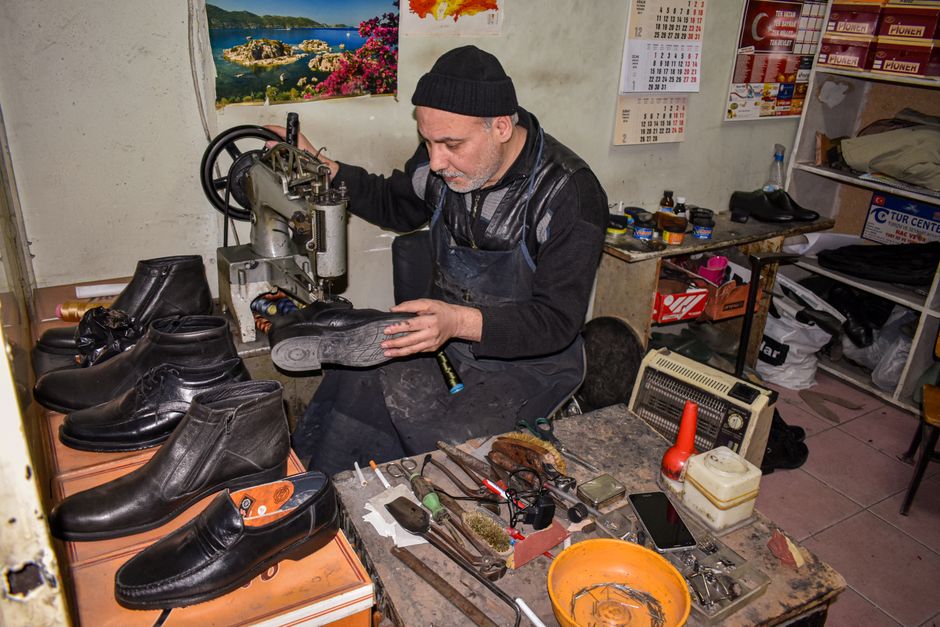
A shoe designed to be resoled is a shoe designed to last a lifetime. Manufacturers like BC Shoes build this capability into their construction from the start, using techniques that allow customers to replace worn soles rather than discard the
entire shoe.
This philosophy shifts economics. A $300 shoe that gets a $60 sole replacement at year five costs less total than buying five $100 pairs that wear out annually. It also means less waste—a significant environmental consideration.
Resoling requires that the original upper remain structurally sound. This brings the discussion back to leather quality, stitching integrity, and lining durability. A shoe can't be resoled if the uppers have deteriorated.
Fit and Comfort Aren't Secondary
A well-made shoe that doesn't fit your foot is still a poor purchase. Quality manufacturers invest in last design—the wooden form around which a shoe is built—to accommodate different foot shapes and widths.
Premium brands often offer multiple width options and understand that arch height, toe box shape, and heel cup depth vary wildly between individuals. A broader selection of fits signals commitment to actual wearability, not just aesthetics.
Breaking-in periods matter too. Quality leather shoes may feel stiff initially but soften as they mold to your foot. Mass-produced shoes often feel soft immediately because materials are already compromised to minimize break-in time.
Five Markers of Investment-Quality Footwear
1. Premium Material Sourcing — Look for named leather types and verifiable origins, not generic 'genuine leather' labels.
- Full-grain or top-grain leather preferred
- Natural markings visible on surface
- Tannery information disclosed
2. Visible Stitching Quality — Handstitched or machine-stitched with precision indicates care in assembly.
- Even stitch spacing
- No loose threads
- Stitches visible (not hidden under adhesive)
3. Goodyear Welt or Blake Stitch — Either construction method enables resoling or indicates premium assembly.
- Clear welt visible on shoe exterior
- Stitch line runs heel-to-toe
- Sole can be separated and replaced
4. Detailed Last Design — The shoe form affects fit; premium makers use thoughtful, ergonomic lasts.
- Multiple width options available
- Arch support engineered into shape
- Heel and toe box proportioned for real feet
5. Warranty and Repair Support — Confidence in product longevity backed by actual service infrastructure.
- Resoling program or partnership
- Repair service available
- Warranty against defects
The Hidden Cost of Cheap Shoes
A $40 pair of shoes may feel like a bargain until you calculate the true cost: the hour of shopping for replacements, the broken-in comfort you lose, the environmental impact of constant disposal.
Shoe manufacturing involves leather tanning, stitching, finishing—all processes that generate waste. A shoe worn for three months sends that waste to landfill far more quickly than one worn for five years.
Quality footwear isn't about status or brand names. It's about respecting the work that goes into the object and understanding that durability is itself a luxury.
The Long View
In 2026, buying better footwear is a quiet act of resistance against disposability. It requires knowing what to look for—materials, construction, fit—rather than chasing trends.
A pair of shoes built to last becomes easier to justify over time. That's not nostalgia for older manufacturing methods; it's basic economics paired with craftsmanship that's still very much alive.