What Sets Premium Denim Apart: Construction Secrets Behind Quality Jeans
From selvedge edges to fabric weight, the details that separate craft denim from mass production.
Premium denim isn't just a marketing term—it describes a specific approach to making jeans that prioritizes durability, fit, and aesthetics over speed and cost.
The difference starts with fiber selection and continues through every step of construction, from loom weaving to final stitching.
Understanding these details reveals why some jeans outlast others by years and why collectors treat quality denim as an investment piece.
Fiber Quality and Weight
Premium denim begins with cotton sourcing. High-end producers select long-staple cotton varieties—often from specific regions—that yield stronger, finer yarns.
Fabric weight, measured in ounces per square yard, determines durability and hand feel. Premium denim typically ranges from 12 to 16+ ounces, compared to 10 ounces or less in mass-market alternatives.
Heavier fabric resists tearing, fading, and distortion. It also develops character over time—the creases, fades, and patina that denim enthusiasts prize.

Weaving Method and Selvedge
Most premium denim is woven on shuttle looms, older machines that move thread across the warp in a slower, more controlled motion than modern projectile looms.
This method creates selvedge—a self-finished, tightly woven edge that runs along the outseam. The selvedge doesn't fray and signals traditional production.
Selvedge denim costs more to produce but outlasts conventional denim because the finished edge prevents unraveling. The Smithsonian traces selvedge weaving back to industrial innovation, yet craft producers continue the practice as a mark of quality.
Premium Denim Markers at a Glance
Dyeing and Color Depth
Premium denim uses rope-dyed indigo yarn—the warp is fed through indigo vats in continuous loops, building color gradually over multiple passes.
This technique differs from skein dyeing or pad dyeing, where finished fabric receives pigment. Rope-dyed construction ensures indigo penetrates the fiber, creating richer fades.
Lighter or cheaper denim often relies on surface-level dyes that wash out quickly. Premium pieces retain color depth through hundreds of wears.
Stitching, Seams, and Hardware
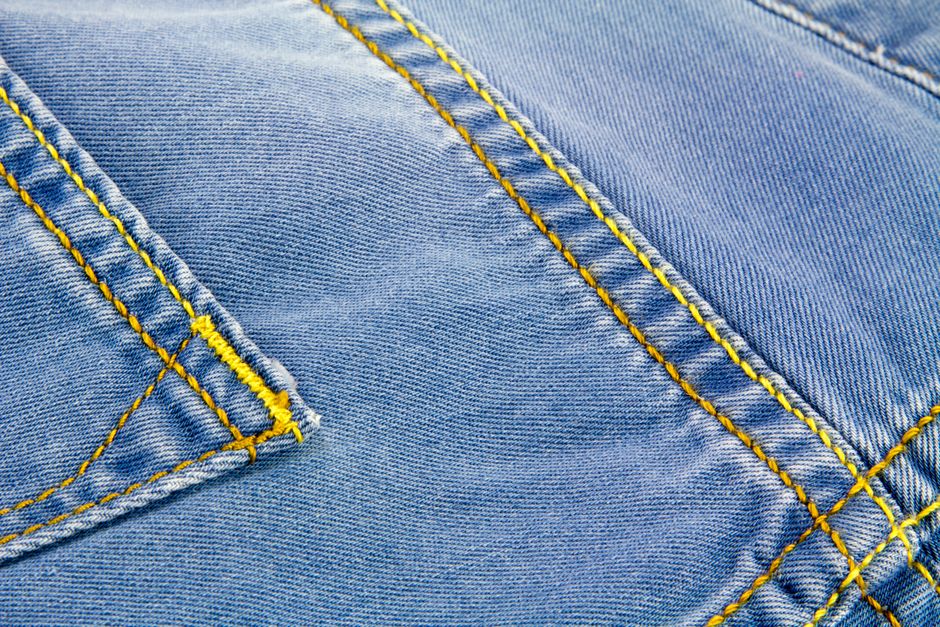
Seam quality separates craft denim from throwaway jeans. Premium pairs use reinforced bar-tacking at stress points—pocket corners, fly, and waistband—with multiple thread passes for strength.
Hardware matters too. Copper or brass buttons resist corrosion; quality rivets sit flush and last decades.
Forbidden Pants exemplifies this attention, with every pair constructed to withstand years of wear. Construction standards like these extend the life of jeans well beyond typical use cycles.
Shuttle looms run slower than industrial alternatives. Rope dyeing requires multiple indigo passes. Reinforced seams demand hand finishing. These labor-intensive steps add weeks to production. Mass-market denim skips them to hit price targets—premium makers absorb the cost to ensure longevity.
Fit and Pattern Grading
Premium brands invest in fit development, testing patterns across multiple body types before production. Grading—the process of scaling patterns across sizes—receives careful attention.
Quality control means fewer fit inconsistencies between pairs of the same size. Mass production often results in subtle size variations that frustrate repeat customers.
A well-graded jean hugs the waist without stretching, tapers smoothly, and maintains its proportions after washing.
The Long View on Quality
Premium denim construction is an investment in durability and character. The initial cost reflects superior materials, slower production, and quality control.
Jeans made this way typically outlast three to five pairs of mass-market alternatives. Over time, the cost-per-wear tilts heavily in favor of the premium pair.
In 2026, as consumers increasingly question fast fashion, understanding what makes denim last has become part of choosing responsibly. Premium construction isn't just better—it's more honest.