Why Tailoring Still Matters in 2026
Custom fit remains the invisible engine of a functional wardrobe—even as fast fashion speeds up.
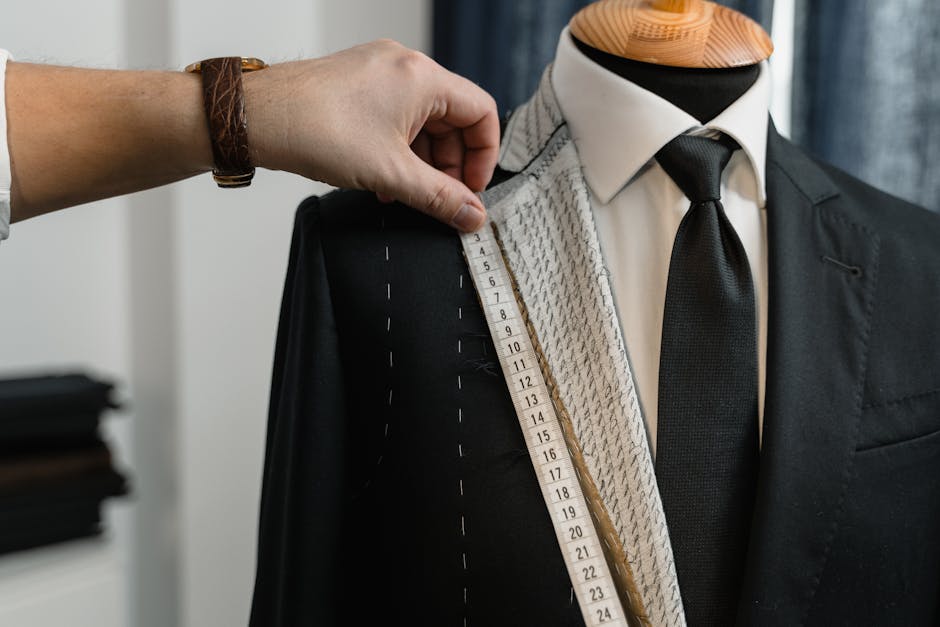
Tailoring feels like a relic. Fast fashion cycles churn out new silhouettes weekly, and most people buy off-the-rack without a second thought.
Yet custom fit remains the most reliable way to transform an ordinary garment into one that actually works for your body.
In 2026, as wardrobes shrink and longevity matters more, tailoring has quietly become a tool for intentionality rather than luxury.
The economics of fit
A well-fitted garment lasts longer. Seams don't strain. Fabric hangs correctly and resists stress fractures.
According to Business of Fashion, shoppers increasingly prioritize durability over quantity—a shift that makes tailoring a practical investment, not a luxury add-on.
When a jacket or pair of trousers fits your shoulders and inseam correctly, you wear it. When it doesn't, it sits unworn.
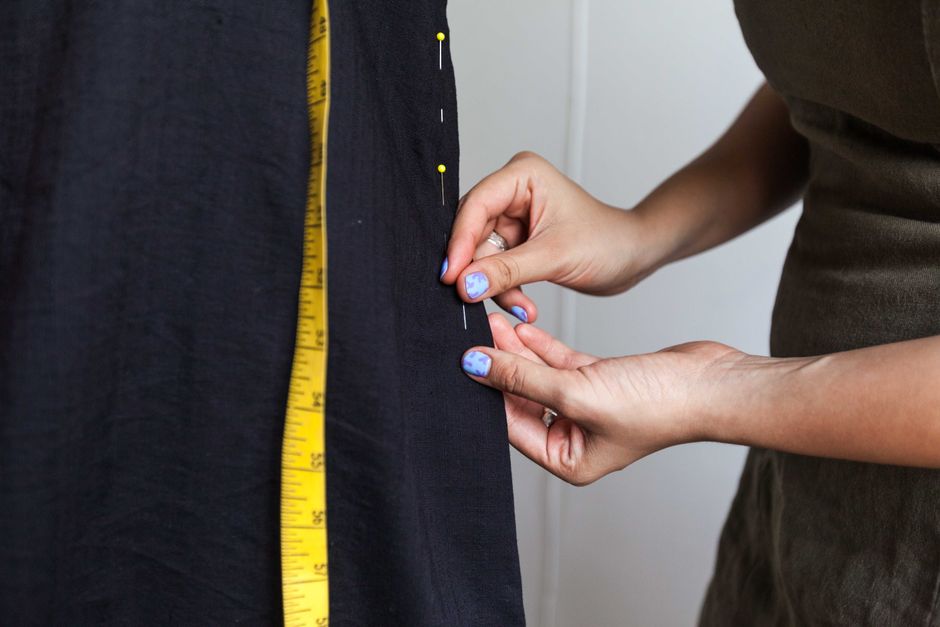
Fit transcends trend
Fashion trends shift seasonally. Silhouettes change. But your shoulders don't.
A properly tailored piece from three years ago works as well today as it did when you bought it. The same cannot be said for an untailored garment that relied on a now-outdated cut.
This matters when wardrobes contract and cost-per-wear becomes the metric that drives purchasing decisions.
The trade-offs
Strengths
- Extends garment lifespan and functionality
- Improves fit across body-shape variations
- Reduces waste by making pieces wearable
- Works on mid-range and investment pieces alike
Trade-offs
- Adds time and cost to the buying process
- Not all garments can be altered significantly
- Requires finding a skilled, trustworthy tailor
- Demand for tailors continues to decline
The tailor shortage and what it means
The number of working tailors in the United States has dropped sharply over the past two decades. Fewer young people enter the trade.
This shortage makes access harder in many regions. But it also elevates the status of tailoring as a skill—and increases the value of relationship-building with a good tailor.
For anyone serious about a functional wardrobe, a trusted tailor becomes as important as a trusted stylist.

Tailoring as an anti-fast-fashion signal
Wearing a tailored garment signals intentionality. You bought something, evaluated its fit, and invested time and money into making it work.
That friction—the delay, the cost—is the opposite of fast fashion's frictionless grab-and-go model.
In 2026, as sustainability and mindful consumption gain mainstream attention, tailoring reads less as vanity and more as pragmatism.
Simple alterations (hem, seam taper, sleeve shortening) hold reliably. Structural changes (narrowing shoulders, repositioning darts) carry risk. Discuss scope with your tailor before committing.
The long view
Tailoring won't return as a mass habit. Too many people find the process intimidating or inconvenient.
But for those who do engage with it, tailoring becomes the difference between a garment that fits and one that merely exists in your closet.
In a world moving toward smaller, more deliberate wardrobes, that difference matters more than ever.